A herniated disc no longer means surgery. Learn how modern spine care focuses on long-term management instead.
Living With a Herniated Disc Without Surgery
By MADI-BONE CLINIC — Seolleung Station, Gangnam
The Old Belief: Disc Problems Mean Surgery
For many years, the term “herniated disc” carried a heavy implication.
Patients often believed that once a disc problem was diagnosed,
surgery was unavoidable.
This belief created fear and uncertainty,
especially among younger patients
who were otherwise active and working full-time.
However, modern spine care has shifted significantly.
A New Perspective on Disc Problems
Today, having a disc abnormality does not automatically mean
that surgical treatment is required.
In clinical practice, many individuals with disc-related findings
on imaging live normal lives
without ever undergoing surgery.
The focus has moved from eliminating the disc
to managing symptoms and preserving function.
Understanding Disc Degeneration
Intervertebral discs naturally undergo degenerative changes over time.
Factors such as posture, repetitive overuse, previous injury,
genetics, and lifestyle habits
can accelerate this process,
sometimes beginning as early as the 20s or 30s.
Once a disc is damaged,
restoring it to its original structure is difficult.
This is why management, not reversal,
is the realistic goal.
Why Symptoms Matter More Than Images
Imaging studies often reveal disc bulges or herniation
even in people without pain.
This highlights an important point:
treat the patient, not the image.
Symptoms such as pain, stiffness, or nerve irritation
are more meaningful indicators
than the appearance of a disc on MRI alone.
When Surgery Is Truly Necessary
Surgery remains an essential option in certain situations,
such as:
- progressive muscle weakness
- loss of bowel or bladder control
- severe neurological deficits
Outside of these scenarios,
many patients benefit from conservative care.
The Rise of Conservative Spine Management
Non-surgical spine care focuses on
controlling inflammation,
reducing nerve irritation,
and supporting surrounding structures.
This often includes:
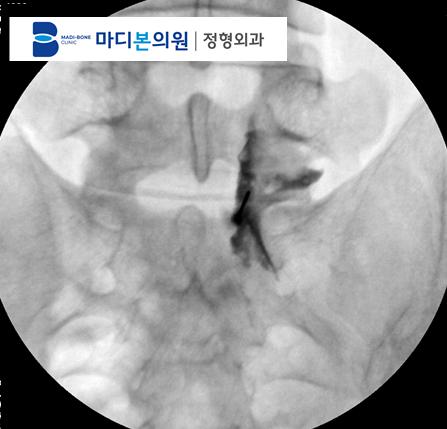
- targeted injection therapy
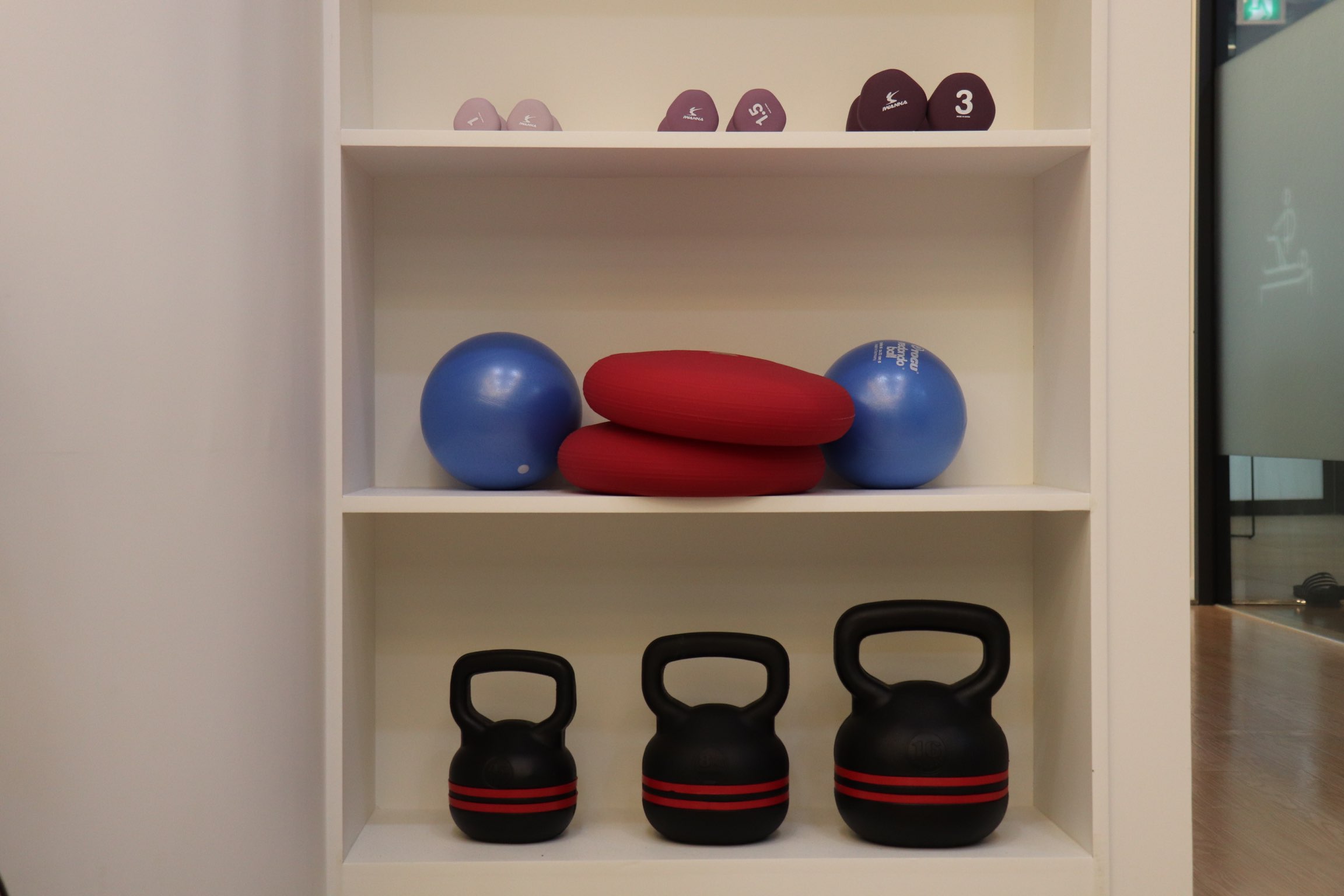
- exercise-based stabilization
- manual therapy
- lifestyle modification
The goal is to maintain daily life
with minimal interruption.
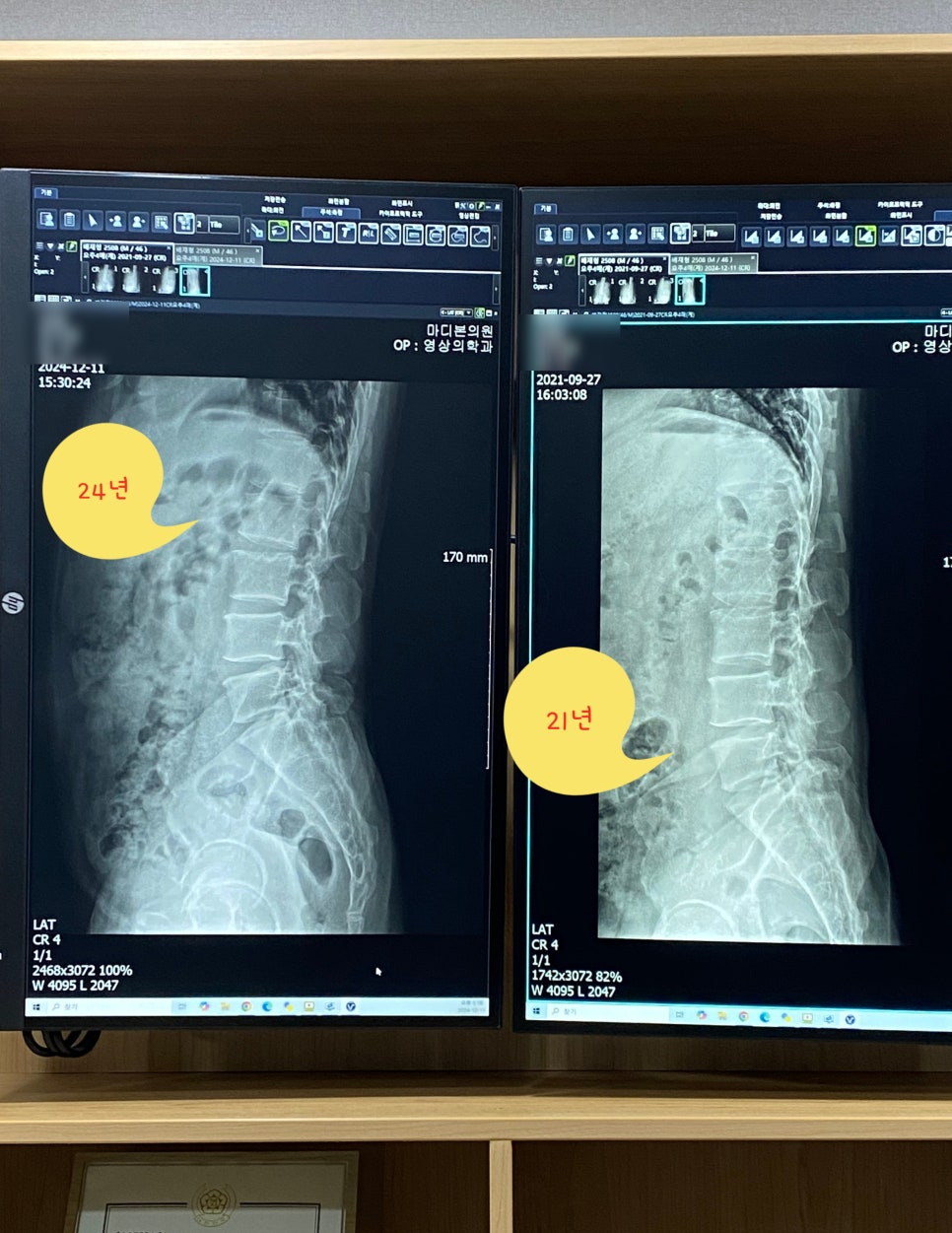
A Patient Example: Choosing Management Over Surgery
A patient in his early 30s recently visited our clinic
with worsening back pain.
He had been diagnosed with a disc problem several years earlier
and chose to strengthen his back through regular exercise.
When pain flared up,
he sought medical care not for surgery,
but for symptom control.
This approach allowed him to continue working
and remain physically active.
Disc Care as an Ongoing Strategy
Managing disc-related pain is not a one-time event.
It involves recognizing flare-ups early,
intervening appropriately,
and returning to maintenance strategies once pain subsides.
This pattern is common among patients
who successfully avoid surgery for many years.
Why Early Management Makes a Difference
Delaying care until pain becomes severe
often leads to longer recovery times.
Early intervention helps:
- shorten flare-up duration
- prevent progression of symptoms
- maintain work and exercise routines
This proactive mindset is key to long-term spine health.
Related Articles
-
How Disc Treatment Has Changed
-
Patients Who Visit Clinics to Keep Exercising
-
How to Exercise Long-Term Without Injury
Frequently Asked Questions (FAQ)
1. Can I live normally with a herniated disc?
Many people do. With proper management,
daily activities and exercise are often possible.
2. Does disc pain always get worse over time?
Not necessarily. Symptoms often fluctuate
and can be controlled with conservative care.
3. How do I know if surgery is needed?
Surgery is considered when neurological symptoms progress
or when conservative treatment fails.
MADI-BONE CLINIC — Seolleung Station
MADI-BONE CLINIC
3F, 428 Seolleung-ro, Gangnam-gu, Seoul
Seolleung Station (Line 2) Exit 1 — 3 minutes on foot
📞 02-736-2626
⏰ Mon–Fri 09:30–18:30 / Sat 09:30–13:00