
Written & Reviewed by
Dr. Choe Jeongheon
General Surgeon · Orthopedic Clinic Director · MD, PhD
Founder of MADI-BONE CLINIC, Seoul. 10+ years of experience in musculoskeletal medicine and private orthopedic care.
When Neck Problems Cause Finger Tingling: What Patients Often Miss
By MADI-BONE CLINIC | Gangnam (Seolleung Station)
Finger Tingling Doesn’t Always Come From the Hand
Many patients visit the clinic saying:
“My fingers feel numb.”
“My hand tingles when I work.”
“It must be a wrist problem.”
But quite often, the true source is higher up in the cervical spine, not the hand or wrist.
Tingling, numbness, or burning in the fingers can be a sign of cervical nerve root irritation.
Cervical radiculopathy frequently presents as arm or hand symptoms rather than neck pain itself.
(Mayo Clinic Radiculopathy Study)
How Neck Nerve Compression Creates Finger Symptoms
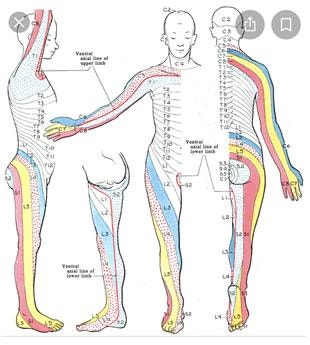
Each cervical nerve root corresponds to a certain region of the arm and hand.
When a nerve root becomes compressed, irritated, or inflamed, symptoms follow a dermatomal pattern.
Common Patterns
- C6 nerve root: thumb and index finger tingling
- C7 nerve root: middle finger numbness
- C8 nerve root: ring and little finger tingling or weakness
This is why patients often say:
“My neck doesn’t hurt that much… but my fingers feel strange.”
Dermatomal hand symptoms strongly correlate with cervical nerve root dysfunction.
(McAnany et al., Nerve Root Study)
Why Hand Symptoms Can Appear Without Strong Neck Pain
Nerves can be irritated even without severe neck pain.
Some patients present with:
- minimal neck stiffness
- moderate or severe finger numbness
- more discomfort in the arm than in the neck
This mismatch is one reason patients often misinterpret the symptom source.
Common Triggers for Neck-Related Hand Tingling
- forward head posture or “tech neck”
- sleeping with the neck twisted
- sudden increase in upper-body exercise
- heavy lifting or overhead work
- long hours at a desk or computer
- age-related disc changes or foraminal narrowing
Cervical foraminal stenosis is highly associated with radiating arm and hand symptoms.
(Karppinen et al., Spine Study)
How We Evaluate These Symptoms at MADI-BONE CLINIC
1) Detailed Medical History
We ask about posture, exercise, recent activities, and the exact pattern of numbness.
2) Physical Examination
A neurological and orthopedic exam helps determine which cervical nerve root is affected.
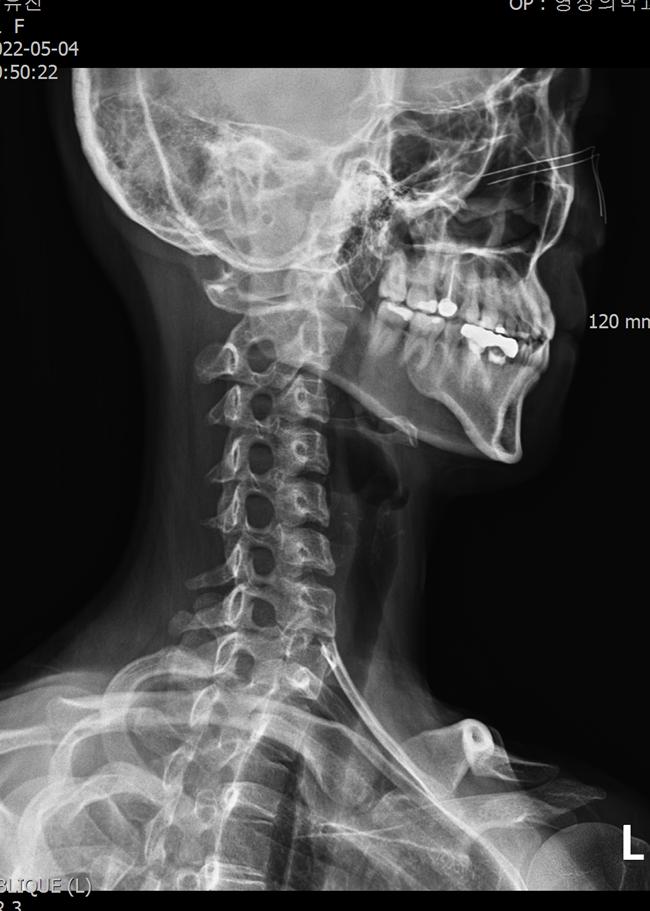
3) Cervical X-ray
The first imaging step is a neck X-ray to check alignment, disc height, and foraminal space.
4) Additional Imaging (If Needed)
If symptoms persist or are severe, MRI may be recommended to evaluate disc herniation or nerve compression in detail.
Treatment Options for Neck-Related Finger Tingling
1) Injection Therapy
A targeted cervical injection can reduce nerve inflammation and provide rapid relief.
2) Physical Therapy
- neck mobility restoration
- deep cervical flexor strengthening
- posture correction
- upper back and scapular stability training
3) Medication
NSAIDs or nerve-calming medications may be used short-term.
4) Posture & Ergonomics
Long-term improvement requires correcting daily posture habits.
Forward head posture significantly increases cervical nerve tension.
5) Home Care
- warm compresses for neck stiffness
- avoiding high pillows
- gentle nerve gliding exercises
When to Seek Medical Evaluation
- persistent numbness for more than 2–3 weeks
- progressive weakness in the hand
- difficulty gripping objects
- severe pain traveling down the arm
- new symptoms after heavy lifting or injury
Early treatment typically shortens recovery time and prevents chronic nerve irritation.
MADI-BONE CLINIC (Seolleung Station, ~3 min on foot)
MADI-BONE CLINIC
3F, 428 Seolleung-ro, Gangnam-gu, Seoul
Seolleung Station (Line 2), Exit 1 — ~3 minutes on foot
02-736-2626
⏰ Mon–Fri 09:30–18:30 / Sat 09:30–13:00 (Closed Sundays & Public Holidays)
References
- Mayo Clinic Study — Cervical radiculopathy epidemiology. PubMed
- McAnany et al. Nerve root patterns and hand symptoms. PubMed
- Karppinen J, et al. Cervical foraminal stenosis and radicular symptoms. Spine. PubMed
This article is for educational purposes and does not replace an individual medical evaluation or treatment plan.