
Written & Reviewed by
Dr. Choe Jeongheon
General Surgeon · Orthopedic Clinic Director · MD, PhD
Founder of MADI-BONE CLINIC, Seoul. 10+ years of experience in musculoskeletal medicine and private orthopedic care.
Some patients prefer managing pain with oral medication, but medication alone has limitations. Learn when medication works, when it doesn’t, and why non-surgical injections may be more effective for stronger pain. MADI-BONE CLINIC Seolleung.
Can Pain Medication Alone Treat Your Pain? When It Helps — and When It’s Not Enough
By MADI-BONE CLINIC | Gangnam (Seolleung Station)
Why Some Patients Prefer Medication
Many patients hope to manage their pain using only oral medication — especially those who have busy schedules or live far from the clinic.
Pain medication is valid and effective in certain situations, but it also has limitations that should be understood clearly.
How Pain Medication Works
Oral pain relievers reduce inflammation and ease discomfort by acting throughout the entire body, not only the specific painful area.
Because of this wide distribution, medication alone is rarely strong enough to resolve deep tendon, ligament, or joint inflammation.
NSAIDs offer short-term symptom relief but do not treat the underlying structural cause.
NSAID Effectiveness Review
When Medication Is Helpful
Medication works well for:
- mild muscle soreness
- early-stage inflammation
- post-injection pain control
- temporary pain management during daily activities
In these cases, medication supports the healing process but is most effective when combined with proper treatment.
Limitations of Pain Medication
Pain medication has several limitations:
- It does not target the exact injured tissue.
- Its effect is not strong enough for severe tendon or joint pain.
- It cannot restore movement or resolve structural problems.
- Long-term use can affect the stomach, kidneys, or cardiovascular system.
Prolonged NSAID use may delay soft tissue healing.
Tendon Healing & NSAIDs Study
When Medication Alone Is Not Enough
If you are experiencing:
- strong or sharp pain
- limited range of motion
- pain that interferes with daily activities
- pain that persists despite medication
…it is highly likely that medication alone will not resolve the issue.
In these cases, targeted non-surgical treatment is recommended.
Non-Surgical Treatments That Work Better for Strong Pain
1) Injection Therapy
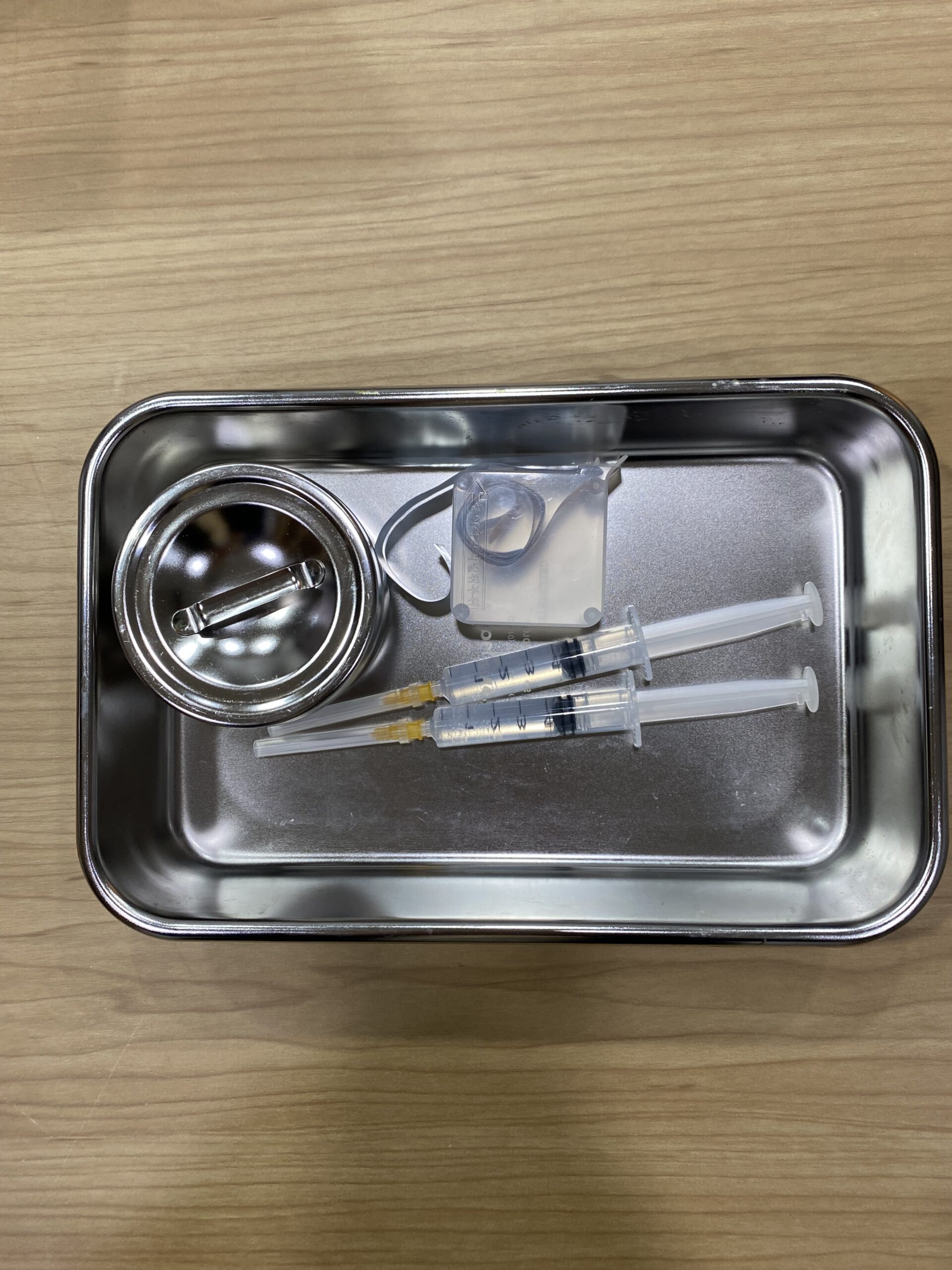
Injections directly reduce inflammation in the affected structure, allowing faster recovery and improved mobility.
2) Extracorporeal Shockwave Therapy (ESWT)
Useful for tendon and ligament problems that do not respond to medication.
3) Manual Therapy & Rehabilitation
Corrects biomechanical issues that medication cannot address.
Targeted interventions provide superior outcomes compared to medication alone.
Conservative Treatments Review
Related Posts
Frequently Asked Questions (FAQ)
1. Is it okay to rely only on pain medication?
It may help with mild symptoms, but strong or persistent pain usually requires targeted treatment.
2. Can medication cure tendon or ligament problems?
No. Medication reduces inflammation but cannot fix structural tissue damage.
3. When should I consider injection therapy?
When pain limits movement, affects daily life, or does not improve with medication, injections are generally more effective.
MADI-BONE CLINIC (Seolleung Station, ~3 min on foot)
MADI-BONE CLINIC
3F, 428 Seolleung-ro, Gangnam-gu, Seoul
Seolleung Station (Line 2), Exit 1 — ~3 minutes on foot
02-736-2626
⏰ Mon–Fri 09:30–18:30 / Sat 09:30–13:00 (Closed Sundays & Public Holidays)