
Written & Reviewed by
Dr. Choe Jeongheon
General Surgeon · Orthopedic Clinic Director · MD, PhD
Founder of MADI-BONE CLINIC, Seoul. 10+ years of experience in musculoskeletal medicine and private orthopedic care.
Shockwave therapy is widely used for tendon and ligament pain — but it is not effective for every condition. Learn when shockwave therapy works best, when it may not be the ideal choice, and how it fits into musculoskeletal treatment planning. Evidence-based guidance from MADI-BONE CLINIC.
Shockwave Therapy: When It Works Best — and When It Doesn’t
By MADI-BONE CLINIC | Gangnam (Seolleung Station)
Shockwave Therapy Is Powerful — But Not Universal
Extracorporeal Shockwave Therapy (ESWT) has become a widely used treatment for tendon and ligament pain.
Many patients ask:
“Is shockwave therapy always effective?”
The honest answer is: shockwave therapy is excellent for certain conditions — but not all.
Understanding when to use it ensures better outcomes and avoids unnecessary treatment.
How Shockwave Therapy Works
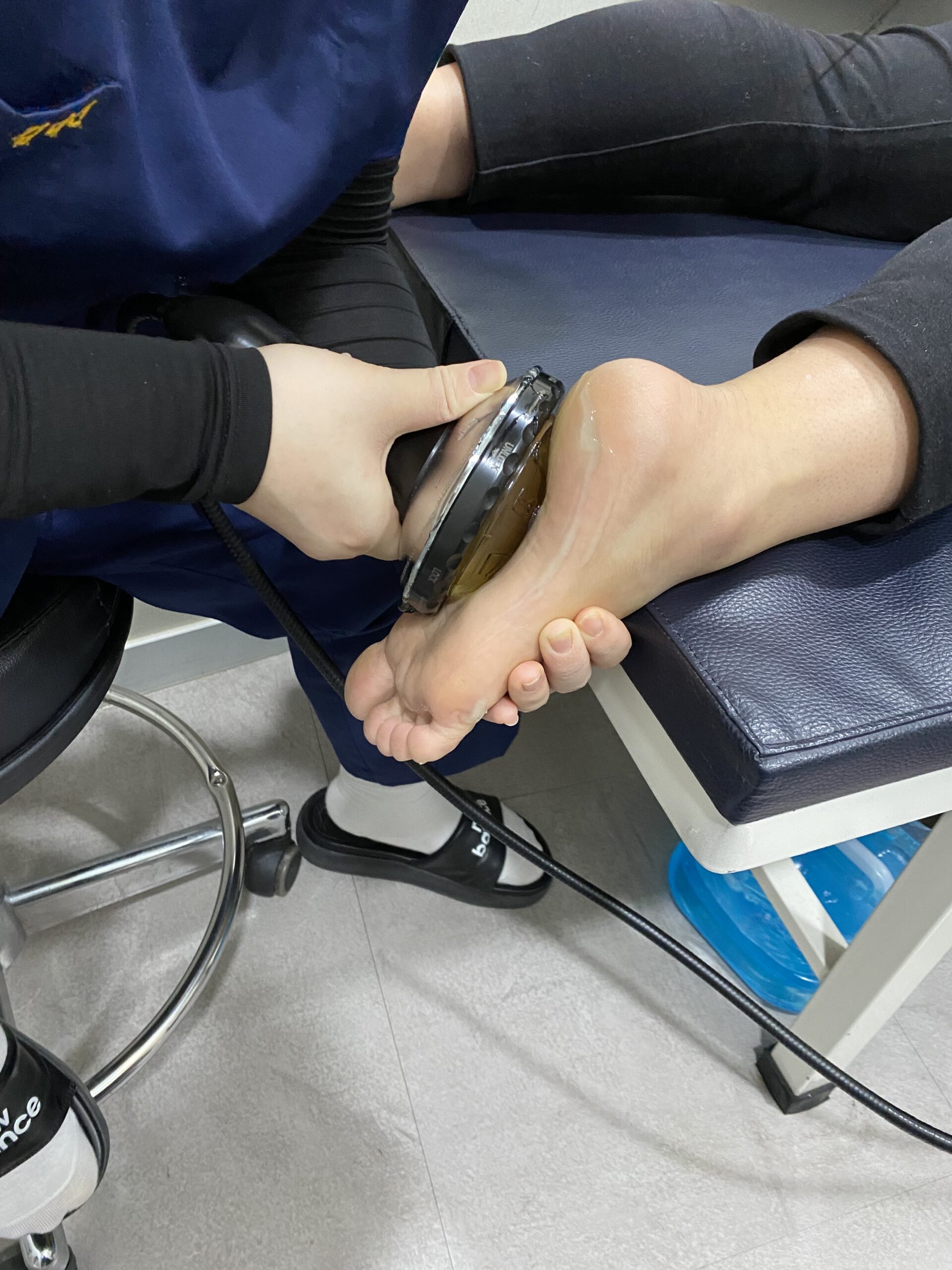
Shockwave delivers focused acoustic energy into tissues.
Its effects include:
- reducing chronic inflammation
- stimulating tendon regeneration
- promoting new blood vessel formation
- breaking up calcific deposits

Clinical research supports ESWT for calcific tendinopathy and chronic tendon pain.
ESWT Effectiveness Study
✔ When Shockwave Therapy Works Best
Shockwave therapy tends to be highly effective in chronic tissue changes, especially:
- calcific tendinopathy (shoulder, foot, wrist)
- Achilles tendinopathy
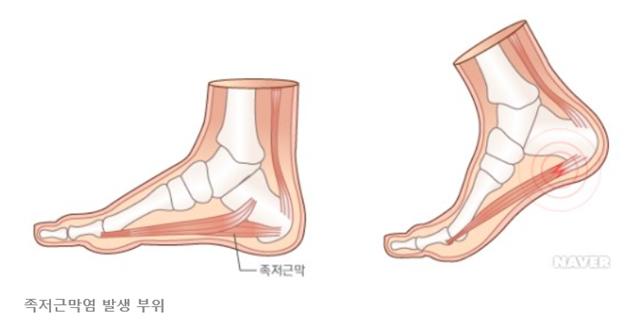
- plantar fasciitis
- tennis elbow and golfer’s elbow
- trochanteric bursitis (hip area pain)
These conditions often involve degeneration, stiffness, and impaired healing — shockwave helps restart the healing process.
✔ When Shockwave Is Not the First Choice
Shockwave therapy is less effective or inappropriate when:
- pain is due to acute inflammation or fresh injury
- soft tissue tears or instability are present
- pain originates from nerve compression (e.g., cervical radiculopathy)
- ligament injury requires early immobilization
- severe swelling or bleeding exists

In these situations, shockwave may increase irritation rather than improve symptoms.
Why It Helps Some Patients More Than Others
Shockwave works best when:
- the tissue is chronically irritated or partially degenerated
- healing has stalled
- other conservative treatments have plateaued
However, if the pain is purely inflammatory, injection therapy or medication may be more appropriate.
Clinical comparison shows ESWT is superior for chronic tendon injury but not in early inflammatory stages.
Conservative Treatment Outcomes
How We Integrate Shockwave Therapy in Treatment Plans
At MADI-BONE CLINIC, shockwave is used when:
- pain persists beyond the typical healing timeline
- tendon imaging suggests thickening or calcification
- movement is restricted due to stiffness
For acute swelling or nerve compression, we first control inflammation using:
- injection therapy
- physical modalities
- activity modification
Related Posts
- Calcific Tendinopathy: Not Just a Shoulder Problem
- Tennis Elbow vs Golfer’s Elbow — Causes & Treatment
Frequently Asked Questions (FAQ)
1. Does shockwave therapy hurt?
Some discomfort can occur during treatment, but most patients tolerate it well and pain decreases as healing progresses.
2. How many sessions do I need?
Typically 4–8 sessions depending on tissue condition, chronicity, and response.
3. Can shockwave replace injections?
Not always. For acute inflammation or nerve irritation, injections are more effective.
Shockwave is most useful when the tissue is degenerative or calcified.
MADI-BONE CLINIC (Seolleung Station, ~3 min on foot)
MADI-BONE CLINIC
3F, 428 Seolleung-ro, Gangnam-gu, Seoul
Seolleung Station (Line 2), Exit 1 — ~3 minutes on foot
02-736-2626
⏰ Mon–Fri 09:30–18:30 / Sat 09:30–13:00 (Closed Sundays & Public Holidays)