
Written & Reviewed by
Dr. Choe Jeongheon
General Surgeon · Orthopedic Clinic Director · MD, PhD
Founder of MADI-BONE CLINIC, Seoul. 10+ years of experience in musculoskeletal medicine and private orthopedic care.
Why do some patients respond quickly to shockwave therapy while others take longer? Learn the key factors that influence treatment response, how tissue conditions affect healing speed, and how shockwave works within personalized care plans. MADI-BONE CLINIC, Seolleung.
Why Some Patients Respond Quickly to Shockwave Therapy — and Others Take Longer
By MADI-BONE CLINIC | Gangnam (Seolleung Station)
“Doctor, my friend got better in 2 sessions — why is mine slower?”
This is one of the most common questions patients ask.
Shockwave therapy (ESWT) is effective, but healing speed varies from person to person.
Understanding why helps set realistic expectations and improves treatment results.
1. Chronic vs Acute Tissue Condition
Shockwave therapy excels in chronic tendon degeneration — not fresh inflammation.
If your condition has been present for months or years, the tissue changes are deeper, which means:
- healing requires more sessions
- regeneration takes time
- pain reduction may be gradual but steady

2. Severity of Tissue Damage
Shockwave accelerates repair, but if the injury is:
- larger in size
- long-standing
- associated with thickened tissue or calcification
…the healing timeline naturally becomes longer.
3. Location of Injury
Some regions heal more slowly than others due to poor blood supply —
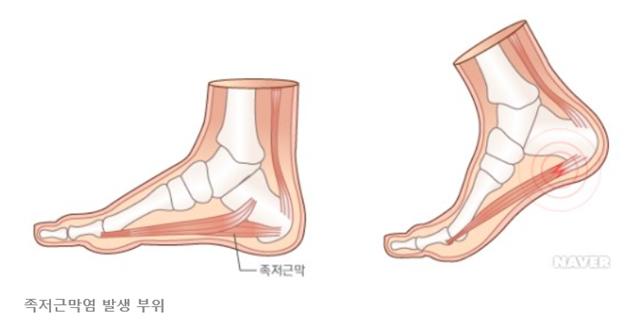
for example, Achilles tendon or plantar fascia.
These areas often require:
- multiple treatment cycles
- home exercises to stimulate blood flow
Certain tendons exhibit slower healing due to limited vascularity.
Tendon Healing Review
4. Patient Lifestyle and Activity Level
Even the best treatment struggles if the tissue is constantly overloaded.
Pain often persists when patients:
- walk or run excessively
- continue sports prematurely
- stand for long hours
- do not modify aggravating movements
Rest, activity control, and smart training are part of treatment — not optional extras.
5. Adherence to Home Exercises
Shockwave opens the door to healing —
exercise rehabilitation helps that door stay open.
Patients who consistently follow strengthening and mobility exercises:
- improve faster
- stay better longer
6. Expecting “Medicinal” Relief vs Tissue Regeneration
Shockwave is not an immediate anti-inflammatory injection.
It stimulates biological repair:
- new blood vessel formation
- collagen remodeling
- calcific resorption
These processes require time — weeks, not hours.

Shockwave therapy modifies tissue biology and triggers delayed but sustained improvement.
ESWT Healing Mechanism Study
So Why Do Some Patients Improve Fast?
Patients who improve quickly typically have:
- less chronic degeneration
- good circulation in the affected area
- adequate rest between sessions
- strong adherence to rehab exercises
Others improve more slowly because their bodies need more time to repair underlying damage.
Our Approach at MADI-BONE CLINIC
We assess:
- tissue condition (acute vs chronic)
- structural alignment
- movement pattern
- lifestyle stress on the area
Treatment is then tailored — sometimes shockwave alone is enough,
but often we combine:
- injection therapy
- manual therapy
- exercise therapy
Related Posts
- Shockwave Therapy: When It Works Best — and When It Doesn’t
- Calcific Tendinopathy: Not Just a Shoulder Problem
Frequently Asked Questions (FAQ)
1. How long does it usually take to feel improvement?
Many patients feel change within 2–4 sessions,
but full remodeling typically continues over 4–8 weeks.
2. Can shockwave therapy fail?
It can — especially if tissue degeneration is severe or aggravating activities continue without modification.
3. What can I do to improve results?
Rest appropriately, follow exercise recommendations, and avoid overloading early in treatment.
MADI-BONE CLINIC (Seolleung Station, ~3 min on foot)
MADI-BONE CLINIC
3F, 428 Seolleung-ro, Gangnam-gu, Seoul
Seolleung Station (Line 2), Exit 1 — ~3 minutes on foot
02-736-2626
⏰ Mon–Fri 09:30–18:30 / Sat 09:30–13:00 (Closed Sundays & Public Holidays)