Written & Reviewed by
Dr. Choe Jeongheon
General Surgeon · Orthopedic Clinic Director · MD, PhD
Founder of MADI-BONE CLINIC, Seoul. 10+ years of experience in musculoskeletal medicine and private orthopedic care.
Learn what accelerates healing after shockwave therapy — and what slows it — for safer recovery and better results.
Shockwave Aftercare: What Helps vs Hurts
By MADI-BONE CLINIC — Gangnam Seolleung Station
Shockwave Therapy Is Powerful — But What You Do After Matters Even More
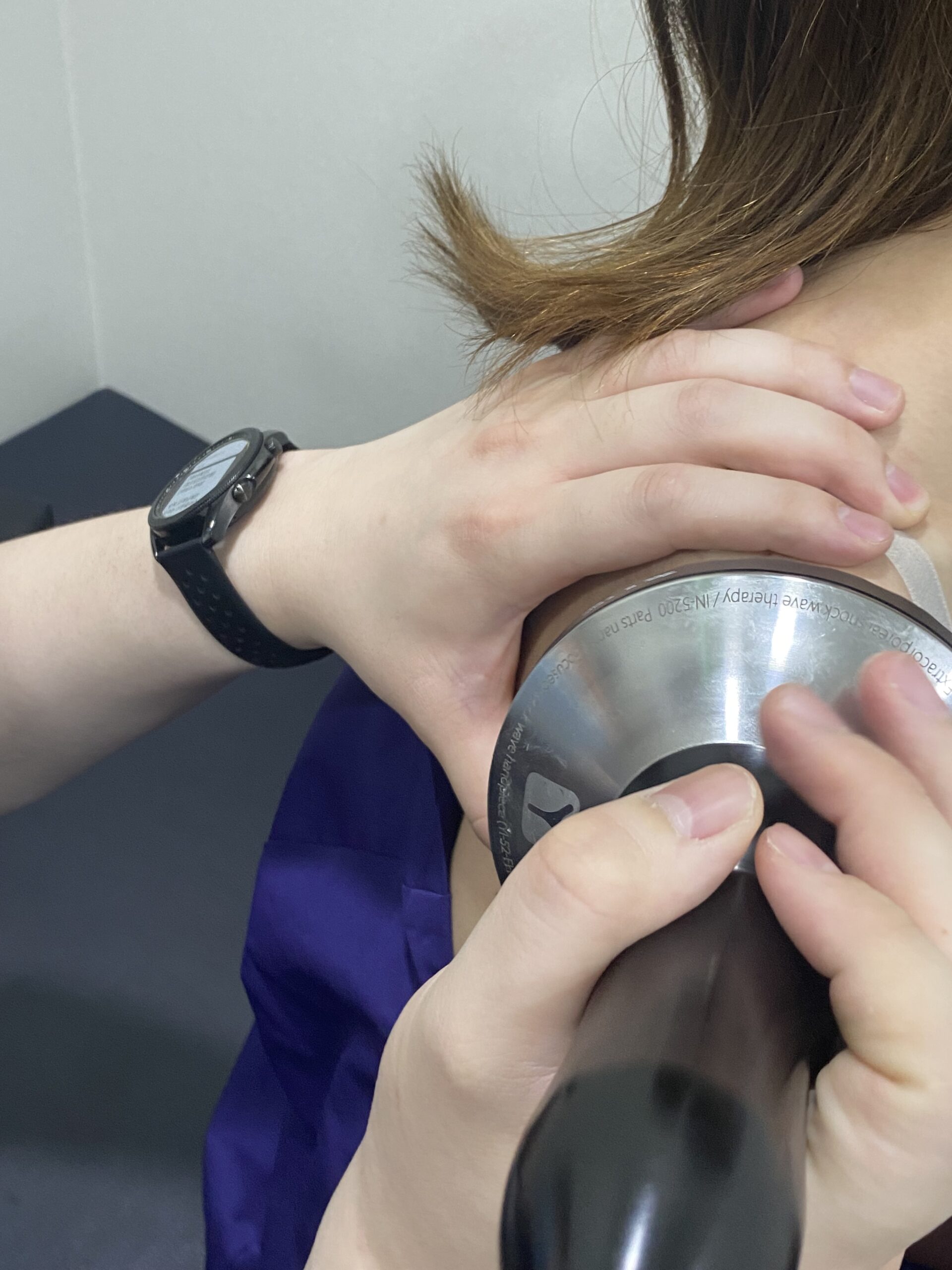
Extracorporeal Shockwave Therapy (ESWT) has become a highly effective, evidence-supported treatment for tendon degeneration,
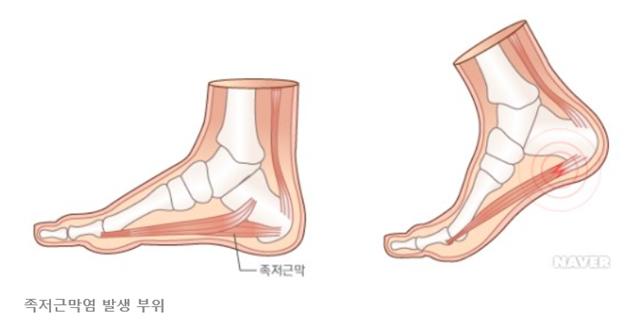
calcific tendinopathy, plantar fasciitis, tennis elbow, Achilles pain, and chronic ligament irritation.
However, one aspect often overlooked is the role of aftercare.
Two patients can receive the same therapy — yet one recovers dramatically faster. Why?
Because shockwave therapy does not simply numb pain — it stimulates tissue remodeling.
This process continues for weeks after the session,
meaning your lifestyle and activity choices directly influence how well your body heals.
This article explains:
- what helps tissue heal faster after shockwave
- what slows healing or worsens pain
- why response times differ between patients
- how to support long-term tendon recovery
Think of shockwave therapy as “starting a biological healing engine.”
Aftercare determines whether that engine accelerates or stalls.
Understanding What Shockwave Actually Does to Your Body
Shockwave therapy delivers acoustic energy into damaged tissue.
But its benefit is not immediate numbing — it drives a multi-stage biological response:
- Cellular stimulation — wake-up signaling for healing cells.
- New blood vessel formation — improved oxygen and nutrient delivery.
- Collagen reorganization — tendon fibers remodel stronger.
- Calcific fragmentation and absorption — deposits gradually dissolve.
- Long-term pain modulation — reduction in chronic sensitivity.
Because these processes are gradual, post-treatment behavior either supports or disrupts healing momentum.
Knowing what helps vs hurts is essential.

Research confirms shockwave improves chronic tendon healing pathways, blood supply and remodeling.
ESWT Healing Mechanism Study
✔ Things That HELP After Shockwave Therapy
1. Appropriate Rest — Not Total Rest
You do not need bed rest after shockwave — in fact, complete inactivity is harmful.
However, avoid heavy load or explosive movement for 48–72 hours.
Think of it as controlled activity, not immobilization.
2. Relative Load Reduction
Decrease stress on the treated tendon:
- cut training volume by 30–50% temporarily
- avoid hills if Achilles or plantar fascia were treated
- avoid gripping forces if elbow tendon was treated
3. Gentle Movement and Mobility
Perform pain-free ranges of motion to:
- improve circulation
- reduce stiffness
- enhance mechanotransduction
4. Ice for Short-Term Swelling or Soreness
If soreness spikes after therapy, 10–15 minutes of icing may help.
5. Follow-Up Exercise Therapy
Shockwave opens a healing window — rehab exercises keep it open.
Patients who integrate strengthening & alignment therapy recover faster.

✔ Things That HURT After Shockwave Therapy
1. Returning to High-Load Activity Too Soon
If you resume:
- long runs
- golf swings
- court sports
- jumping workouts
…too quickly, the tendon simply cannot remodel fast enough.
This delays recovery or triggers relapse.
2. Ignoring Soreness Signals
Mild soreness is normal — but worsening pain means you overloaded healing tissue.
Pain is not an enemy — it is feedback.
3. Continuing Faulty Movement Patterns
If structural mechanics contributed to injury (flat feet, pelvic rotation, wrist form, posture),
shockwave alone cannot fix the source.
Movement retraining is required.
✔ Why Two Patients Respond Very Differently
Some patients improve rapidly in 2–3 sessions.
Others need 6–10.
The reasons usually include:
- chronicity — older injuries take longer
- tissue vascularity — some tendons heal slowly
- activity load — overuse slows improvement
- metabolic factors — diabetes, thyroid issues, smoking
- home exercise compliance
Healing speed is not a reflection of treatment quality —
it reflects biological and lifestyle variables.
✔ What About Pain After Shockwave — Is It a Good Sign?
Many patients ask:
“Is soreness after therapy good or bad?”
Mild soreness means the tendon was stimulated — this is expected.
Sharp or worsening pain usually means overload.
The goal is:
“Mild discomfort but improving function over time.”
Clinical Recovery Timeline: What Patients Should Expect
First 1–3 Sessions
- slightly reduced pain
- less morning stiffness
- better tolerance to movement
Weeks 3–6
- noticeable mobility improvement
- improved load tolerance
Weeks 6–12
- structural remodeling continues
- strength progressively returns
Shockwave therapy triggers remodeling that continues long after treatment.
ESWT Remodeling Study
✔ Internal Links for Patient Education
Related deep-dive clinical posts from our site:
- Shockwave Therapy: When It Works Best — and When It Doesn’t
- Calcific Tendinopathy — Not Just a Shoulder Problem
- Why Pain Keeps Returning: Structural vs Inflammatory Pain
Frequently Asked Questions (FAQ)
1. Should I rest completely after shockwave?
No — reduce load but maintain gentle movement to support circulation.
2. How soon can I play sports again?
Gradual return after 1–2 weeks, but only if pain and function improve.
3. Will I feel worse before getting better?
Mild soreness is normal. Worsening pain means too much load — adjust activity.
MADI-BONE CLINIC — Seolleung Station
MADI-BONE CLINIC
3F, 428 Seolleung-ro, Gangnam-gu, Seoul
Seolleung Station Exit 1 — 3 minutes on foot
📞 02-736-2626
⏰ Mon–Fri 09:30–18:30 / Sat 09:30–13:00