
Written & Reviewed by
Dr. Choe Jeongheon
General Surgeon · Orthopedic Clinic Director · MD, PhD
Founder of MADI-BONE CLINIC, Seoul. 10+ years of experience in musculoskeletal medicine and private orthopedic care.
Winter slip injuries increase sharply — learn what gets injured most, when fractures are likely, and how clinics treat them.
Winter Falls: What Hurts Most and Why
By MADI-BONE CLINIC — Gangnam (Seolleung Station)
Sudden Cold Wave — and a Surge in Injuries
The temperature dropped rapidly this week — and with it came noticeably more fall-related injuries.
Winter weather naturally brings cold conditions, but when snow piles or ice forms,
the risk of slipping rises sharply.
At MADI-BONE CLINIC, we saw multiple patients this week requiring fracture evaluation after simple slips outdoors.
This article describes:
- why winter falls happen more frequently
- what body regions get injured most often
- how we evaluate fractures
- which treatments help recovery
Why Winter Falls Are So Common
Several factors combine during winter to make falls more frequent:
- Reduced joint mobility due to thick clothing
- Scarves, masks or hats limiting peripheral vision
- Hidden ice patches across sidewalks or steps
- Cold-induced muscle stiffness reducing reaction time
Even healthy young adults can fall when movement is obstructed or the ground is slippery.

Even minor slips can result in fractures, especially in the wrist or ankle.
Winter Fall Injury Study
Where Patients Hurt Most After Falls
Based on clinical patterns, the most commonly affected areas include:
- wrist (Colles-type injury) — instinctive fall protection
- ankle sprains or fractures — twisting on impact
- elbow contusion
- hip or pelvis pain — landing sideward
Patients often report:
- difficulty weight-bearing
- pain with gripping or pushing
- swelling that progresses over hours
Should You Worry About a Fracture?
Pain alone doesn’t confirm fracture — but certain red flags do:
- sharp, localized bone pain
- swelling that worsens rather than subsides
- inability to bear weight or move
- visible deformity
In these cases, do not wait — early evaluation prevents delayed healing or deformity.
How Fractures Are Diagnosed
The gold standard imaging for fracture detection is CT scanning.
However, many winter fractures can be identified through simple X-rays.
Our evaluation process typically includes:
- detailed movement and mechanism history
- palpation to map tenderness
- X-ray image review
- CT recommendation if suspicion persists
If There Is No Fracture — What Treatment Helps?
Fortunately, many winter injuries do not involve fractures
but cause significant soft-tissue pain.
Treatment depends on severity:
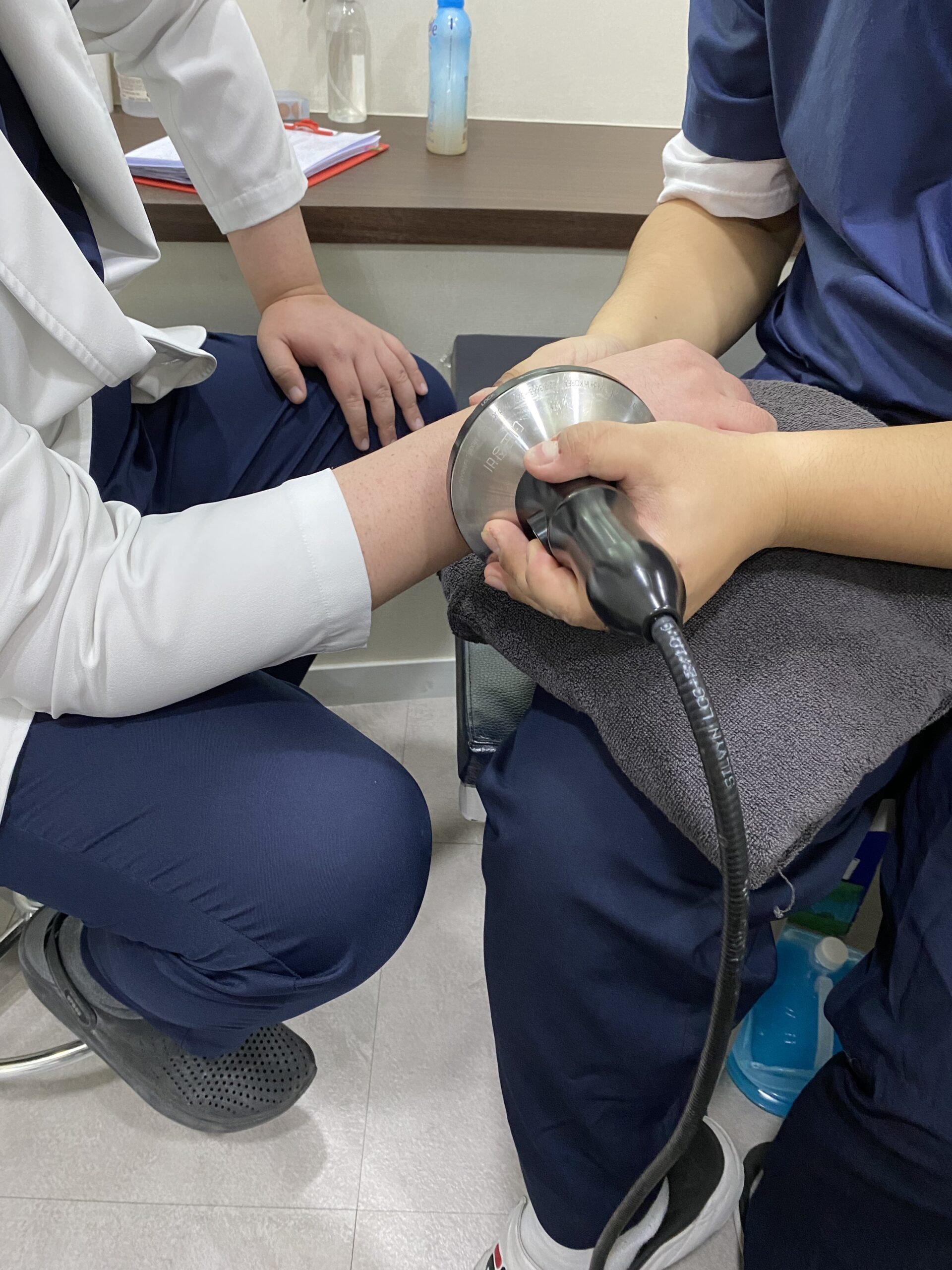
1. High-frequency Deep Heating Therapy
Used to reduce deep tissue pain and stiffness.
2. Cryotherapy
Applies localized cooling to manage swelling or acute pain.
3. Shockwave Therapy
Promotes blood vessel formation and tendon regeneration.
At MADI-BONE CLINIC, plans are individualized based on pain intensity,
functional restriction, age and injury mechanism.
Why the Wrist Gets Injured So Often
The instinct to “catch” oneself while falling overloads the wrist.
This frequently results in:
- sprains
- tiny avulsion fractures
- TFCC irritation

Why the Ankle Is Vulnerable
Hidden ice forces the foot into unexpected inversion or eversion.
Even without fracture, ligament tears can occur.
Proper rest, protection, and rehab exercises reduce long-term instability.
How We Manage Winter Slip Injuries at MADI-BONE CLINIC
We assess:
- fracture risk
- tendon or ligament involvement
- movement impairment
Treatments commonly recommended include:
- immobilization if instability exists
- shockwave therapy for tendon recovery
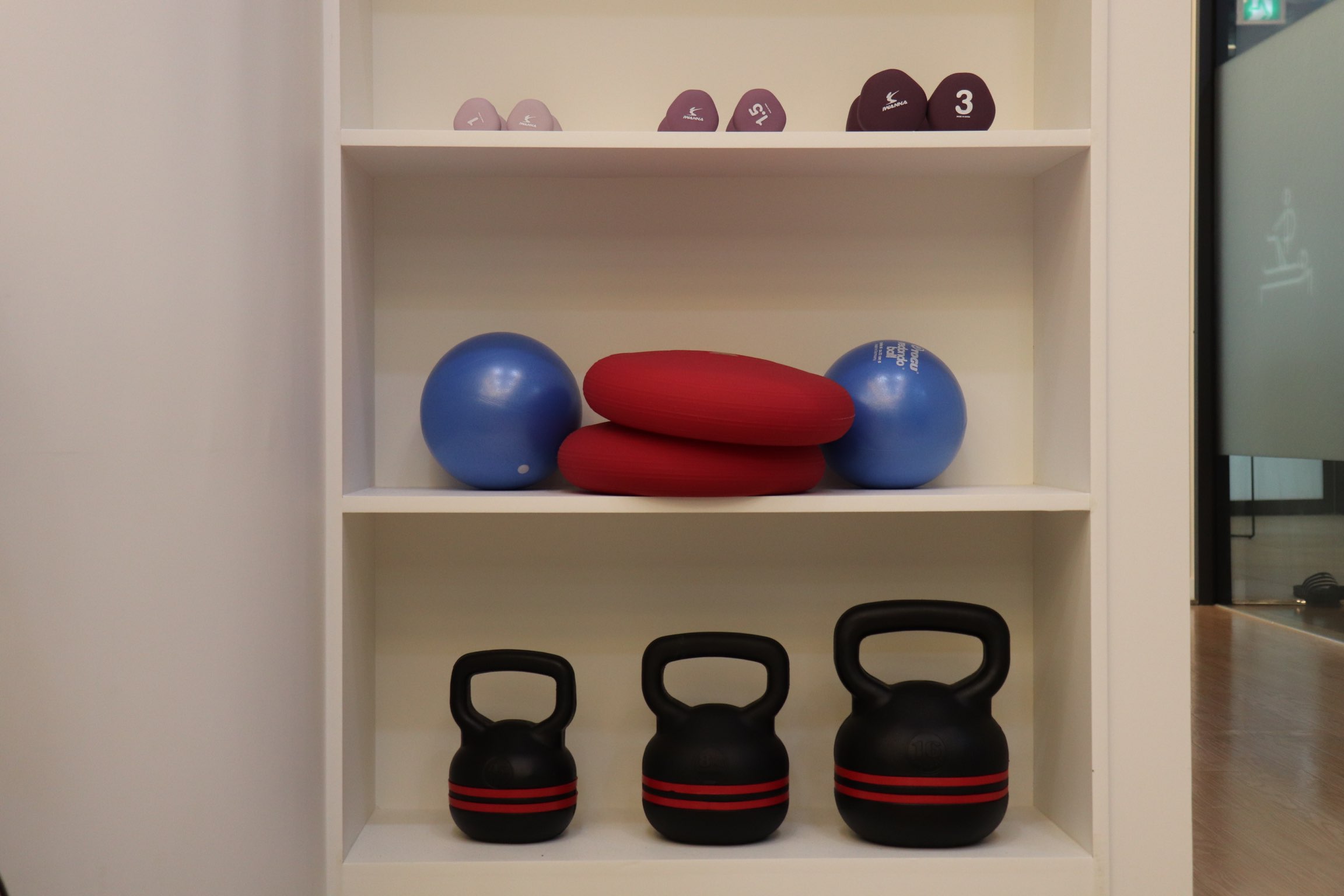
- exercise therapy for balance and rehab
Internal Links — Related Education
- When Shockwave Works Best
- Calcific Tendinopathy: Not Just a Shoulder Issue
- Why Some Respond Quickly to Shockwave
Frequently Asked Questions (FAQ)
1. When should I suspect a fracture after a fall?
Severe swelling, visible deformity, inability to bear weight or ongoing sharp pain warrant evaluation.
2. Do I need imaging even if I can walk?
Yes — some fractures allow walking initially but worsen without treatment.
3. When is shockwave useful for winter injury recovery?
Shockwave helps when chronic tendon irritation develops or healing stalls.
MADI-BONE CLINIC (Seolleung Station)
MADI-BONE CLINIC
3F, 428 Seolleung-ro, Gangnam-gu, Seoul
Seolleung Station Exit 1 — 3 minutes on foot
02-736-2626
⏰ Mon–Fri 09:30–18:30 / Sat 09:30–13:00