
Written & Reviewed by
Dr. Choe Jeongheon
General Surgeon · Orthopedic Clinic Director · MD, PhD
Founder of MADI-BONE CLINIC, Seoul. 10+ years of experience in musculoskeletal medicine and private orthopedic care.
Why does pain persist even when X-rays show no fracture? Learn how soft-tissue injury causes prolonged discomfort and how it’s treated.
Why Pain Lasts Even Without a Fracture
By MADI-BONE CLINIC — Gangnam (Seolleung Station)
“My X-ray Was Normal — So Why Does It Still Hurt?”
This is one of the most common questions we hear in our clinic.
Patients come in after a fall or sudden movement,
undergo X-ray testing, and are relieved to hear there is no fracture.
Yet days or weeks later, they return saying:
“My wrist / ankle / knee still hurts a lot — is something wrong?”
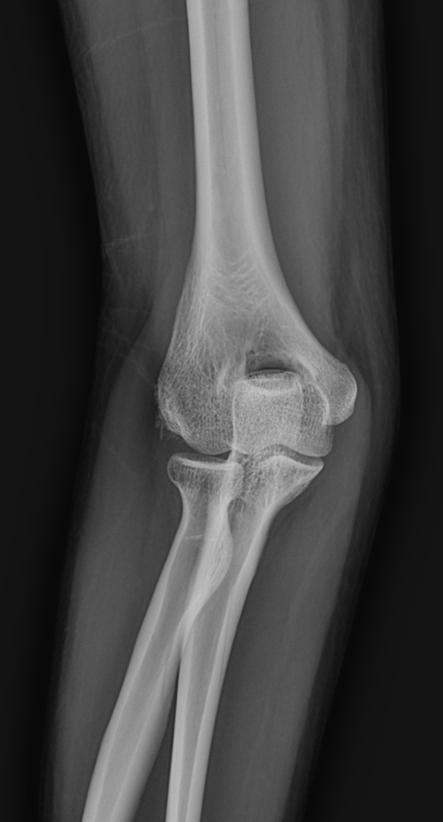
The answer often lies in soft-tissue injury — damage to structures that do not appear on X-ray.
What Is Soft-Tissue Injury?
Soft tissue includes:
- ligaments
- tendons
- muscles
- joint capsules
- cartilage and fibrocartilage (e.g., TFCC)
These are essential for movement, stability, force transfer and shock absorption.
Unlike bone, soft tissue does not show clearly on X-ray — which is why patients may be told:
“No problem” — even when the real problem is there.

Why Soft-Tissue Injury Causes Persistent Pain
Bone heals predictably.
Soft tissue does not — for three key reasons:
- Limited blood supply in certain regions (e.g., TFCC, Achilles tendon)
- Constant mechanical stress — we walk, grip, lift daily
- Neurological sensitization — prolonged inflammation amplifies pain
This is why even minor ligament or tendon injuries
can produce weeks to months of symptoms.
Soft tissue structures have slower biological healing due to vascular limitations.
Tendon Healing Research
Common Soft-Tissue Injuries Mistaken for “Bone Problems”
- ankle sprains
- wrist TFCC injury
- Achilles tendinopathy
- rotator cuff irritation
- plantar fascia inflammation
Patients often assume intense pain means fracture —
but soft-tissue damage is equally painful
and requires structured management.
How Does Soft Tissue Get Injured?
Typical mechanisms include:
- falls
- twists or missteps
- overuse
- sports strain
Ironically, many patients worsen injury by continuing activity too soon
because they believe “it’s not broken, so it must be fine.”
Why Does Pain Last So Long?
Soft tissue rarely heals in a straight line.
Instead, recovery often follows:
up-down, up-down pattern
This explains why some days feel great
while others feel like regression.
How We Diagnose Soft-Tissue Injury
At MADI-BONE CLINIC, assessment includes:
- movement history
- palpation
- range of motion testing
- functional strength testing
- X-ray to exclude fracture
- MRI if persistent injury is suspected
Advanced imaging like MRI or ultrasound visualizes:
- swelling
- partial tears
- inflammation
- tendon degeneration
How Do We Treat Soft-Tissue Injury?
1. Pain Phase — Calm the Area
- cryotherapy
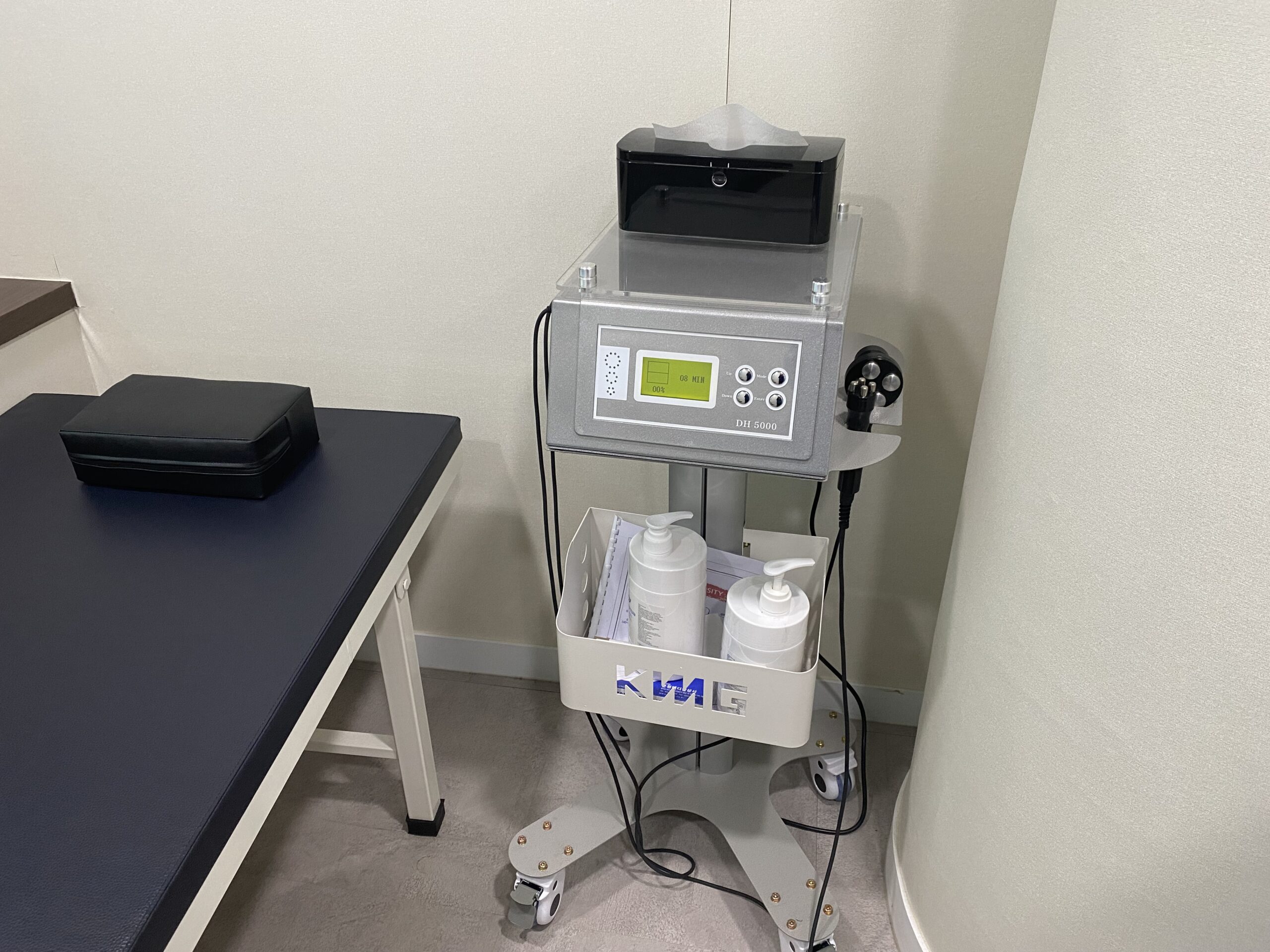
- high-frequency deep heating
- anti-inflammation protocols
2. Recovery Phase — Improve Tissue Health
We often use shockwave therapy to:
- stimulate vascular growth
- promote collagen repair
- reduce chronic irritation

3. Rehabilitation Phase — Restore Function
Exercise therapy restores:
- stability
- mobility
- load tolerance
Shockwave + rehabilitation yields superior functional recovery
Tendon Treatment Study
Why Soft-Tissue Injury Is “Invisible” to Patients
Because nothing shows on X-ray,
patients often:
- delay care
- rush activity
- re-injure tissue
This is why education matters:
no fracture ≠ no injury.
Internal Links — Related Insights
- Why TFCC Injuries Rise in Winter
- Winter Falls: What Hurts Most and Why
- Why Some Heal Faster After Shockwave
Frequently Asked Questions (FAQ)
1. If my X-ray is normal, should I still worry?
Yes — persistent pain suggests soft-tissue involvement.
Evaluation is recommended.
2. Can soft-tissue injury heal on its own?
Sometimes, yes — but poor mechanics or repetitive stress prolong symptoms.
Guided rehab helps recovery.
3. How long will it last?
Most cases improve in 4–8 weeks with appropriate care,
but chronic untreated injuries may persist longer.
MADI-BONE CLINIC — Seolleung Station
MADI-BONE CLINIC
3F, 428 Seolleung-ro, Gangnam-gu, Seoul
Seolleung Station Exit 1 — 3 minutes on foot
02-736-2626
⏰ Mon–Fri 09:30–18:30 / Sat 09:30–13:00