
Written & Reviewed by
Dr. Choe Jeongheon
General Surgeon · Orthopedic Clinic Director · MD, PhD
Founder of MADI-BONE CLINIC, Seoul. 10+ years of experience in musculoskeletal medicine and private orthopedic care.
Pelvic balance plays a key role in staying fit and healthy. Learn how misalignment affects posture, energy, and body balance.
Stay Fit & Healthy: Why Pelvic Balance Matters
By MADI-BONE CLINIC — Seolleung Station, Gangnam
Staying Fit Starts with Balance, Not Just Exercise
Many people focus on workouts, diet, and weight when thinking about how to stay fit.
However, long-term health is not only about how much you exercise,
but also about how well your body is aligned.
At the center of this alignment is the pelvis.
Pelvic balance plays a crucial role in posture, movement efficiency,
and how evenly forces are distributed through the body.
From a stay fit, stay healthy perspective,
pelvic alignment is one of the most overlooked foundations of physical well-being.
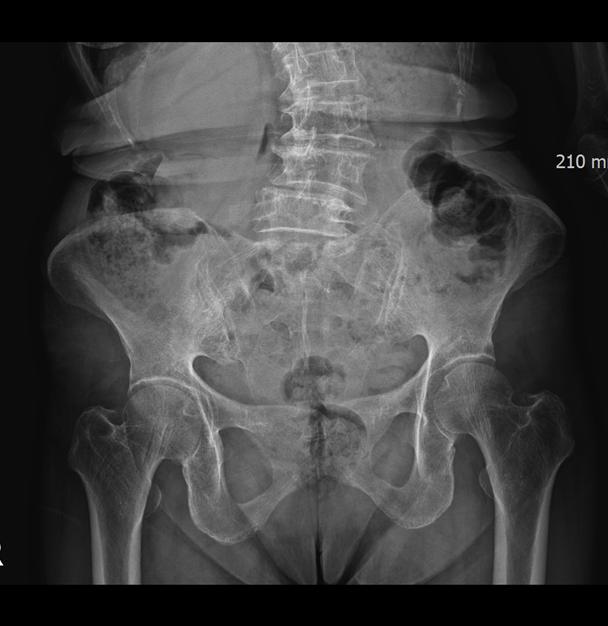
The Pelvis: The Body’s Structural Center
The pelvis connects the spine to the lower limbs.
It acts as a central platform that supports:
- spinal posture
- hip and leg movement
- balance during walking and standing
- force transfer during exercise
When the pelvis is balanced, movement feels efficient and natural.
When it is not, the body compensates — often silently at first.
What Happens When Pelvic Balance Is Lost?
Pelvic imbalance does not always cause immediate pain.
Instead, it often shows up as subtle changes in daily life.
Common signs include:
- one-sided lower back tightness
- uneven hip or leg sensation while walking
- pants or skirts twisting to one side
- one shoe wearing down faster than the other
- fatigue during activities that used to feel easy
These are early indicators that the body is no longer moving symmetrically.
Why Pelvic Imbalance Affects Overall Health
When the pelvis tilts or rotates, the body must constantly adjust.
This leads to compensatory patterns that increase energy consumption
and strain muscles and joints unevenly.
Over time, this may contribute to:
- chronic lower back or hip discomfort
- knee or ankle overload
- reduced exercise efficiency
- persistent fatigue despite adequate rest
In other words, pelvic imbalance directly interferes with
the goal of staying fit and maintaining good health.
Modern Lifestyle Factors That Disrupt Pelvic Balance
Pelvic imbalance often develops gradually due to daily habits, such as:
- sitting for long hours
- crossing legs while seated
- standing with weight shifted to one side
- carrying bags consistently on the same shoulder
- insufficient recovery after pregnancy or injury
These habits create uneven muscle tension around the pelvis,
leading to gradual misalignment.
Pelvic Balance and Staying Active
Many people who exercise regularly are surprised to learn
that pelvic imbalance can reduce training effectiveness.
When the pelvis is misaligned:
- one side may work harder than the other
- movement patterns become inefficient
- risk of overuse injury increases
Correcting pelvic balance often leads to improved performance,
better endurance, and faster recovery — key components of staying fit.
How We Evaluate Pelvic Balance at MADI-BONE CLINIC
At our clinic, pelvic assessment focuses on understanding
the individual’s movement patterns rather than forcing symmetry.
Evaluation may include:
- postural analysis
- pelvic alignment and mobility testing
- hip and lower limb movement patterns
- relationship between pelvis and spine
Based on this evaluation, we design a personalized plan
that may include manual therapy, corrective exercises,
and daily habit adjustments.
Treatment Is Not Only for Pain
Pelvic balance care is often misunderstood as pain-focused treatment.
In reality, many patients seek care to:
- improve posture
- prevent future pain
- enhance exercise efficiency
- maintain long-term health
This proactive approach aligns closely with the concept of
stayfit health — preserving function before problems escalate.
Related Articles
-
Why Sitting Increases Disc & Scoliosis Risk
-
Beauty Check: How to Pinpoint a Neck Hump from Side Photos
-
Early Signs of Teen Scoliosis
Frequently Asked Questions (FAQ)
1. Can pelvic imbalance exist without pain?
Yes. Many people experience imbalance-related fatigue or reduced performance
long before pain appears.
2. Is pelvic balance important even if I exercise regularly?
Absolutely. Exercise on an imbalanced foundation can limit results
and increase injury risk.
3. How long does pelvic balance correction take?
Improvement often begins within weeks, but lasting results require
consistent treatment and habit modification.
MADI-BONE CLINIC — Seolleung Station
MADI-BONE CLINIC
3F, 428 Seolleung-ro, Gangnam-gu, Seoul
Seolleung Station (Line 2) Exit 1 — 3 minutes on foot
📞 02-736-2626
⏰ Mon–Fri 09:30–18:30 / Sat 09:30–13:00