
Written & Reviewed by
Dr. Choe Jeongheon
General Surgeon · Orthopedic Clinic Director · MD, PhD
Founder of MADI-BONE CLINIC, Seoul. 10+ years of experience in musculoskeletal medicine and private orthopedic care.
Daily habits can quietly worsen foot pain. Learn common mistakes that overload the foot and how to prevent them.
Daily Habits That Worsen Foot Pain
By MADI-BONE CLINIC — Seolleung Station, Gangnam
Foot Pain Often Starts with Daily Habits
Many people associate foot pain with injuries, long walks, or sports.
However, in clinical practice, persistent foot pain is often linked
to everyday habits rather than a single event.
These habits are subtle, repetitive, and easy to overlook.
Over time, they gradually overload the foot and ankle,
reducing the body’s ability to recover.
Habit 1: Wearing the Same Shoes Every Day
Wearing the same pair of shoes daily does not allow
the cushioning and support materials to recover.
As a result:
- shock absorption decreases
- pressure concentrates on the heel and forefoot
- Achilles tendon tension increases
This habit commonly contributes to chronic heel and ankle pain.
Habit 2: Ignoring Early Morning Foot Stiffness
Morning stiffness is often dismissed as normal fatigue.
However, stiffness during the first steps of the day
can indicate early overload of:
- the plantar fascia
- the Achilles tendon
- ankle-supporting soft tissues
Ignoring this signal allows inflammation to progress silently.
Habit 3: Walking Through Pain
Many individuals continue walking despite pain,
believing it will “warm up” and improve.
While mild stiffness may ease temporarily,
true overuse pain often worsens with continued loading.
This habit accelerates the transition
from acute irritation to chronic tendinopathy.
Habit 4: Skipping Stretching After Activity
Stretching is often viewed as optional.
In reality, skipping post-activity stretching
allows excessive tension to remain in:
- the calf muscles
- the Achilles tendon
- the plantar fascia
Over time, reduced flexibility increases mechanical stress
during everyday walking.
Habit 5: Standing with Uneven Weight Distribution
Standing with weight shifted to one side
places asymmetric load on the foot and ankle.
This habit may feel comfortable,
but it increases localized stress and muscle imbalance.
Over months or years,
this contributes to unilateral foot pain.
Why These Habits Lead to Chronic Pain
The foot is designed to tolerate load,
but only within a certain capacity.
Repeated stress without adequate recovery leads to:
- micro-damage to tendons and fascia
- persistent inflammation
- reduced tissue elasticity
Once this threshold is exceeded,
pain becomes more frequent and harder to resolve.
Breaking the Cycle of Foot Pain
Addressing foot pain requires more than treatment alone.
Effective management combines:
- correct footwear choices
- daily stretching routines
- activity load awareness
- timely clinical intervention
Small habit changes often produce meaningful improvements.
When Medical Treatment Is Needed
If pain persists despite habit correction,
medical evaluation is recommended.
Treatment options may include:
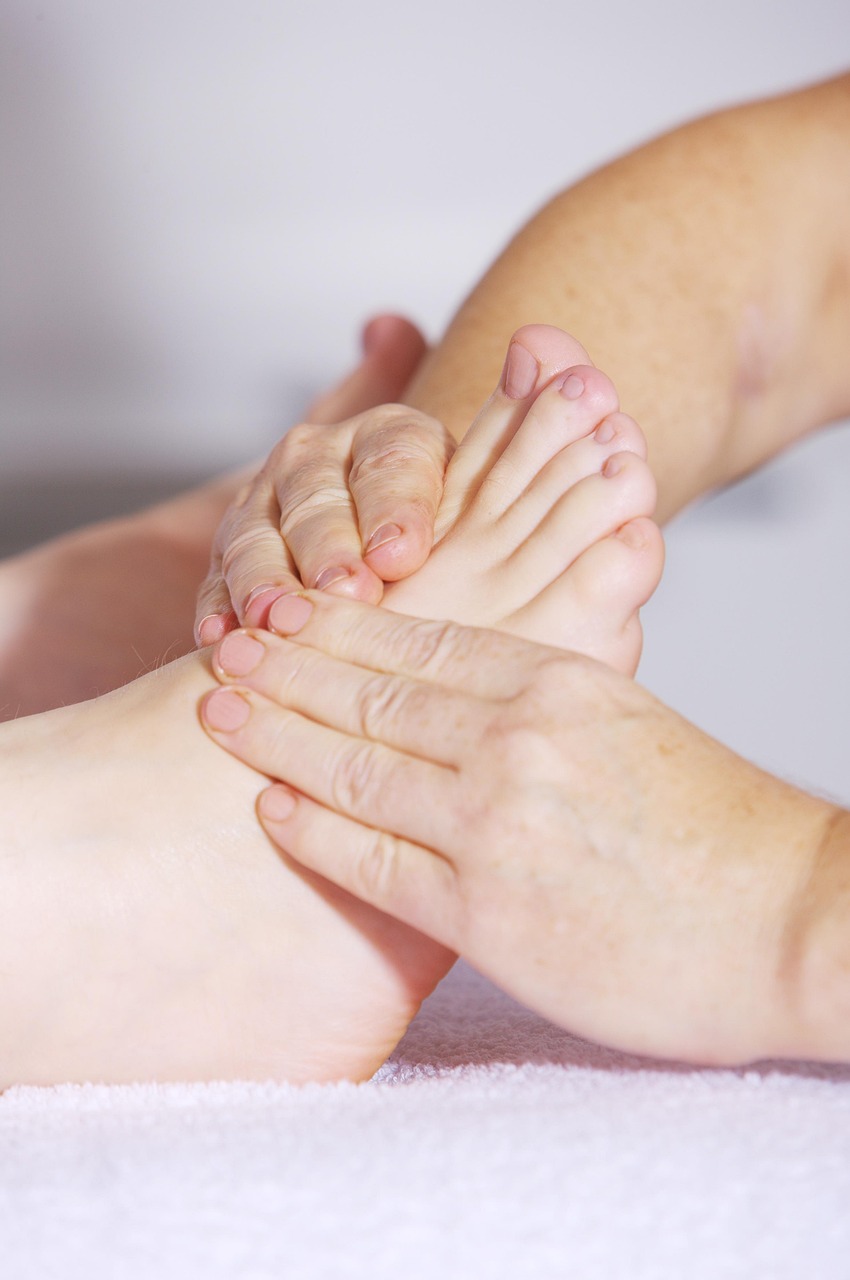
- manual therapy
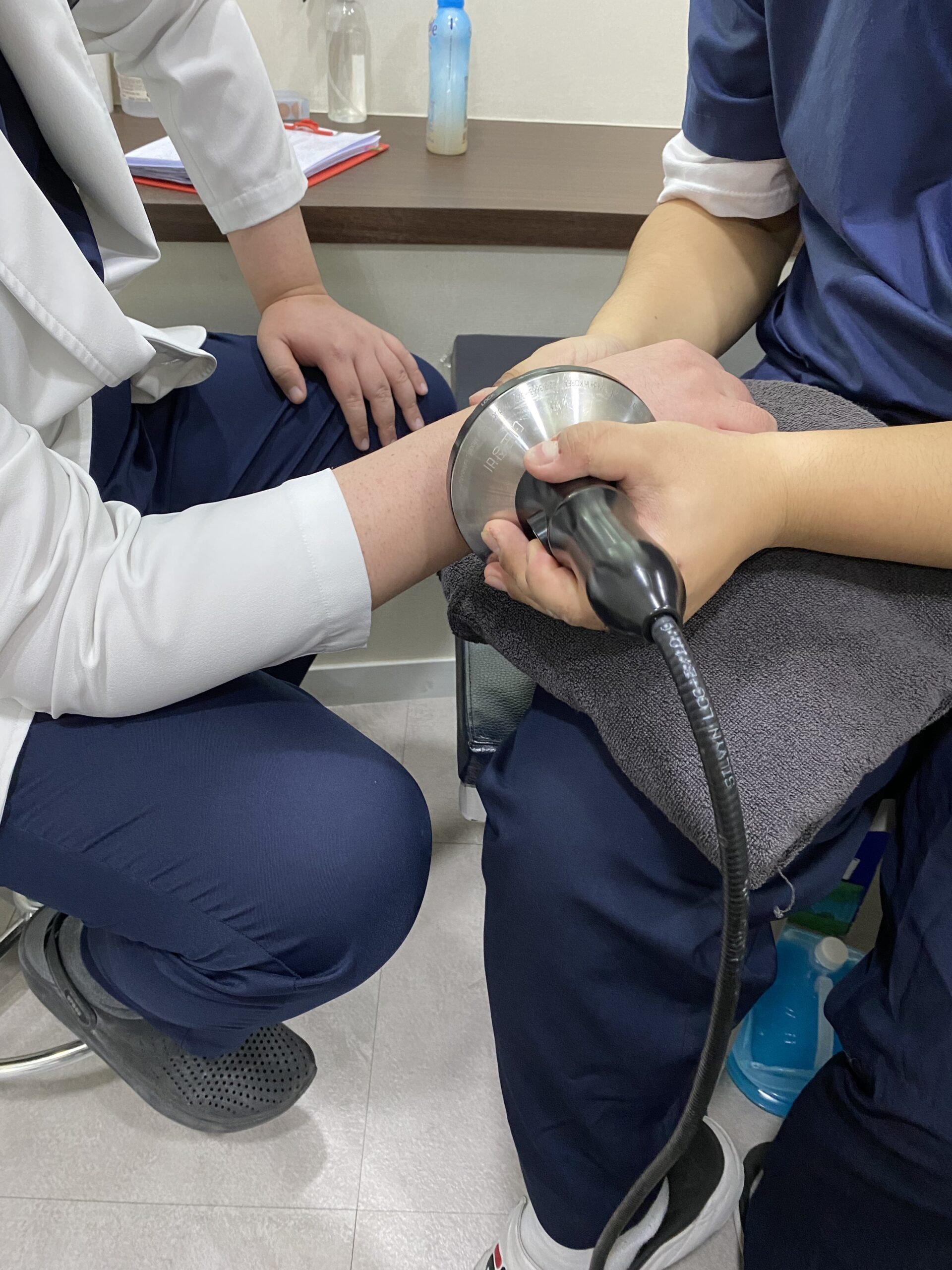
- shockwave therapy to support tissue recovery
- guided activity modification
Early treatment prevents progression to chronic disability.
Related Articles
-
Foot and Ankle Pain After Long Walks
-
Why Shoe Choice Matters for Foot Pain
-
Stay Fit & Healthy: Why Pelvic Balance Matters
Frequently Asked Questions (FAQ)
1. Can daily habits alone cause foot pain?
Yes. Repeated low-level stress from habits
can overload foot structures over time.
2. How quickly can habit changes improve symptoms?
Some patients notice improvement within weeks,
though recovery depends on severity and duration.
3. When should professional care be considered?
If pain persists, worsens, or limits daily activity,
clinical evaluation is recommended.
MADI-BONE CLINIC — Seolleung Station
MADI-BONE CLINIC
3F, 428 Seolleung-ro, Gangnam-gu, Seoul
Seolleung Station (Line 2) Exit 1 — 3 minutes on foot
📞 02-736-2626
⏰ Mon–Fri 09:30–18:30 / Sat 09:30–13:00