
Written & Reviewed by
Dr. Choe Jeongheon
General Surgeon · Orthopedic Clinic Director · MD, PhD
Founder of MADI-BONE CLINIC, Seoul. 10+ years of experience in musculoskeletal medicine and private orthopedic care.
Disc degeneration can begin in your 20s and 30s. Learn why early changes occur and how lifestyle affects spine health.
Disc Degeneration Can Start in Your 20s
By MADI-BONE CLINIC — Seolleung Station, Gangnam
Disc Degeneration Is Not Just an Age-Related Issue
Many people believe that spinal disc problems only occur later in life.
However, disc degeneration is a gradual process
that can begin much earlier than expected.
In clinical practice,
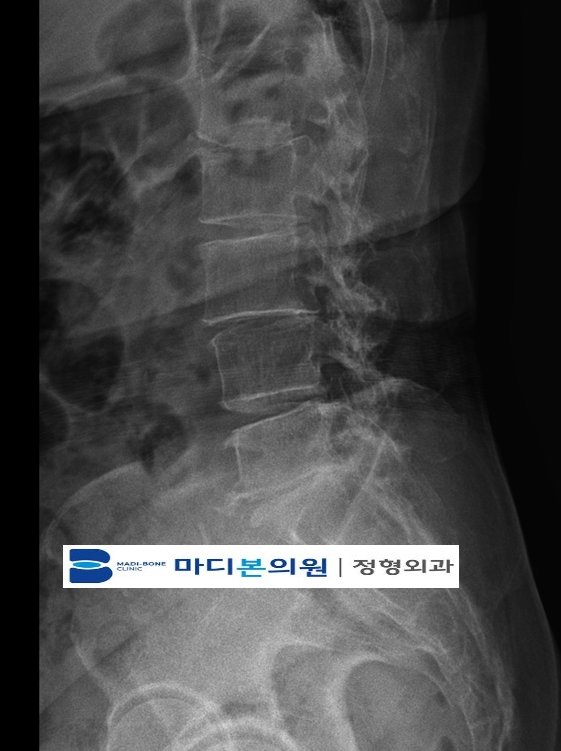
it is not uncommon to observe early degenerative changes
in patients in their 20s and 30s.
This does not mean severe disease,
but it does indicate that the aging process of the disc has begun.
Why Disc Aging Can Begin Early
Aging itself is unavoidable,
but several factors can accelerate disc degeneration.
These include:
- poor posture
- prolonged sitting
- repetitive overuse
- previous trauma
- genetic predisposition
- lifestyle and dietary habits
Modern lifestyles,
especially those involving long hours of desk work
and frequent smartphone use,
place continuous stress on the cervical and lumbar spine.
What Happens When Discs Begin to Age
As discs begin to degenerate,
they gradually lose water content and elasticity.
This reduces their ability to absorb shock,
making the spine more vulnerable to stress.
Early changes may not always cause severe pain,
but they can lead to stiffness,
fatigue,
and reduced tolerance to prolonged sitting or activity.
Why Symptoms May Appear Suddenly
Many patients report that pain appeared “out of nowhere.”
In reality,
disc degeneration often progresses silently over time.
Symptoms may surface only after
the surrounding muscles and ligaments
are no longer able to compensate.
Disc Degeneration Is Difficult to Reverse
Once structural damage to a disc occurs,
restoring it to its original condition is challenging.
For this reason,
treatment focuses on slowing progression
rather than complete reversal.
Early recognition allows for better long-term management.
The Importance of Early Awareness
Understanding that disc degeneration can begin early
helps patients take symptoms seriously.
Early awareness encourages:
- postural correction
- appropriate exercise
- timely medical evaluation
These steps can significantly influence
long-term spinal health.
A Shift Toward Management, Not Fear
Early disc changes do not mean surgery is inevitable.
In most cases,
conservative management and lifestyle adjustments
are sufficient to maintain function
and control symptoms.
The goal is not to eliminate all degeneration,
but to prevent rapid progression.
What Comes Next
In the next article of this series,
we will explore how disc degeneration
affects surrounding muscles, ligaments,
and overall movement patterns.
Understanding these changes
is key to recognizing symptoms early.
MADI-BONE CLINIC — Seolleung Station
MADI-BONE CLINIC
3F, 428 Seolleung-ro, Gangnam-gu, Seoul
Seolleung Station (Line 2) Exit 1 — 3 minutes on foot
📞 02-736-2626