
Written & Reviewed by
Dr. Choe Jeongheon
General Surgeon · Orthopedic Clinic Director · MD, PhD
Founder of MADI-BONE CLINIC, Seoul. 10+ years of experience in musculoskeletal medicine and private orthopedic care.
Early-Onset Knee Osteoarthritis: It Is Not Just for the Elderly
As we grow older, our bodies naturally go through the aging process. Unfortunately, our joints are often the first to bear the brunt of this wear and tear, making them highly susceptible to pain. Among the most commonly affected areas are the joints we use the most, particularly our fingers and our knees.
The Unexpected Guest: Knee Osteoarthritis at an Early Age
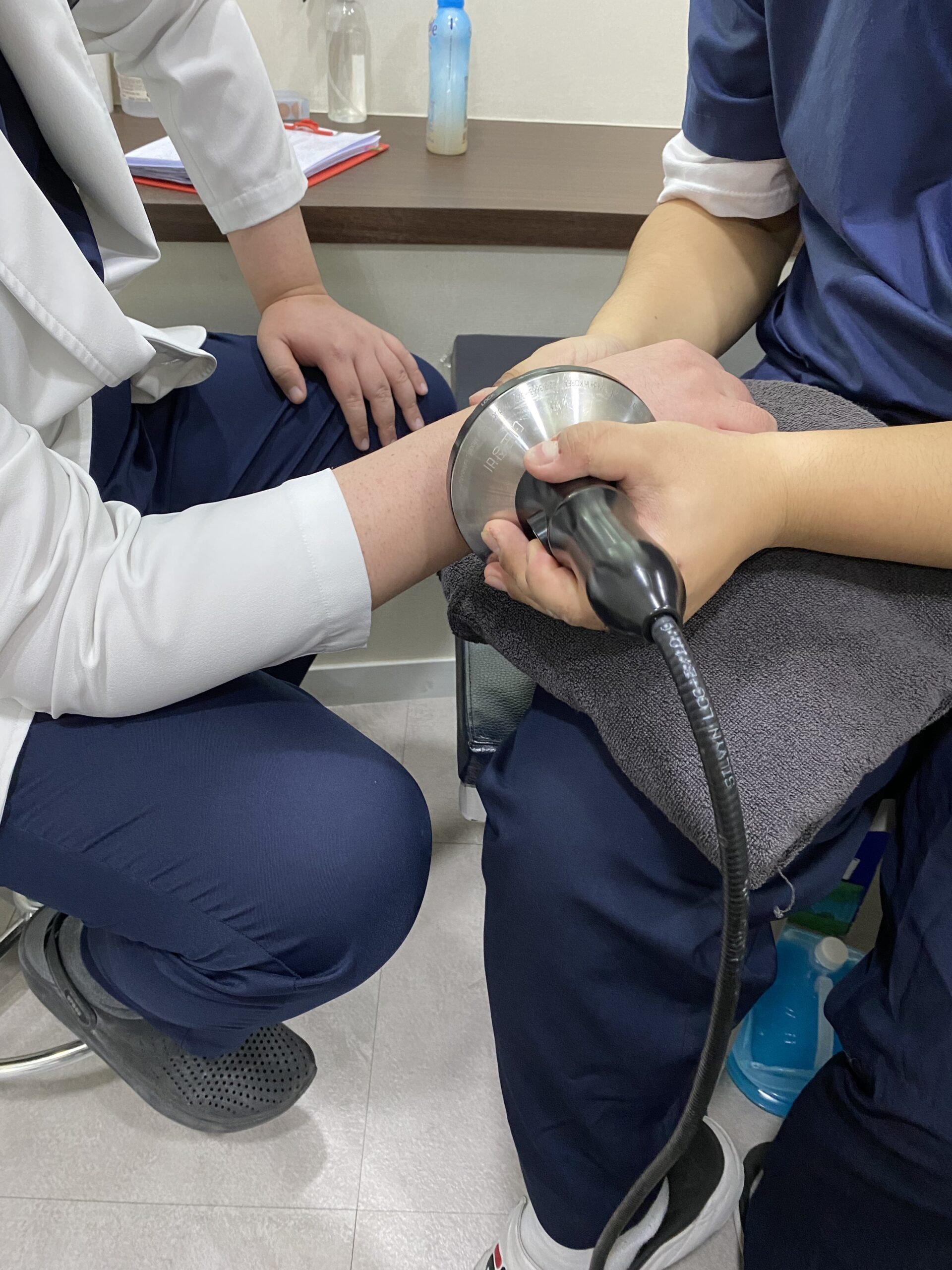
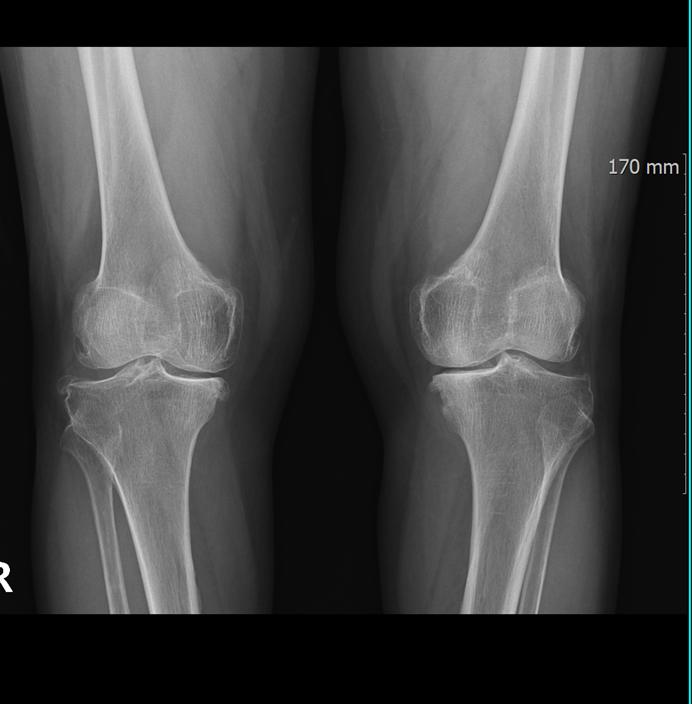
Many people associate degenerative joint diseases strictly with old age. However, this is a common misconception. Today, I want to share the story of a patient currently suffering from knee osteoarthritis. To their surprise, degenerative changes in their knee joints occurred much earlier than expected for their age.
This early onset can significantly disrupt daily life, causing stiffness, swelling, and sharp pain during routine movements. It serves as a vital reminder that osteoarthritis is not exclusively a condition of the elderly. Factors such as genetics, past injuries, lifestyle, and joint anatomy can all accelerate the wear and tear of knee cartilage.
Why Early Awareness Matters
Ignoring joint pain or attributing it solely to “getting older” can lead to delayed treatment and further deterioration of the joint. Recognizing the early signs of degenerative changes is crucial for preserving joint mobility and maintaining your overall quality of life.
If you are experiencing persistent joint discomfort, it is highly recommended to consult with an orthopedic specialist to evaluate your joint health. For more detailed insights on maintaining your joint health and addressing discomfort, explore our resources on knee joint management.
In Part 2 of this series, we will discuss the common pitfall of trying to “exercise through the pain” and the hidden dangers of joint overuse.
Frequently Asked Questions (FAQs)
1. Can young or middle-aged people really get knee osteoarthritis?
Yes. While more common in older adults, osteoarthritis can occur in younger individuals due to joint trauma, obesity, genetic predispositions, or continuous stress on the joints.
2. What are the earliest signs of knee osteoarthritis?
Early symptoms often include a deep, aching pain in the knee, stiffness after periods of rest or waking up, and a grating sensation or clicking sound when bending the joint.
Medical References
- Michael, J. W., Schlüter-Brust, K. U., & Eysel, P. (2010). The epidemiology, etiology, diagnosis, and treatment of osteoarthritis of the knee. Deutsches Ärzteblatt International, 107(9), 152–162.
- Roos, E. M., & Arden, N. K. (2016). Strategies for the prevention of knee osteoarthritis. Nature Reviews Rheumatology, 12(2), 92-101.