Running is excellent for cardiovascular health, but improper form or sudden training load can lead to Achilles tendinopathy. Learn the causes, risk factors, diagnosis, and non-surgical treatments. MADI-BONE CLINIC, Seolleung Station.
Achilles Tendinopathy in Runners: Causes, Early Signs, and Treatment Options
By MADI-BONE CLINIC | Gangnam (Seolleung Station)
Why Runners Should Manage Pain Before Marathon Training
Running is one of the best exercises for improving cardiovascular fitness, but it also places repetitive stress on the feet, knees, pelvis, and lower back.
If you enjoy running or are preparing for a marathon, early pain management is crucial.
Among running-related injuries, Achilles tendinopathy is particularly common — occurring in approximately 9% of regular runners.
Main Causes of Achilles Tendinopathy
Achilles tendon problems develop when the tendon is overloaded or irritated over time. The causes can be divided into structural factors and external factors.
1) Structural Factors
- flat feet (pes planus)
- high arches
- leg length discrepancies
- excessive foot pronation
- poor running mechanics
2) External Factors
- running uphill frequently
- sudden increase in mileage or intensity
- hard running surfaces
- stiff or overly minimalist shoes
Achilles tendinopathy is strongly linked to training errors, foot biomechanics, and sudden load increases.
Tendinopathy Risk Factors Review
How Achilles Tendinopathy Presents
Patients typically report:
- pain or stiffness in the back of the ankle
- pain during the first steps in the morning
- swelling around the tendon
- pain when running uphill or pushing off
Symptoms often start gradually and worsen if ignored, especially during marathon training cycles.

Diagnosis at MADI-BONE CLINIC
We begin with a detailed medical interview, followed by a physical examination of the foot and ankle.
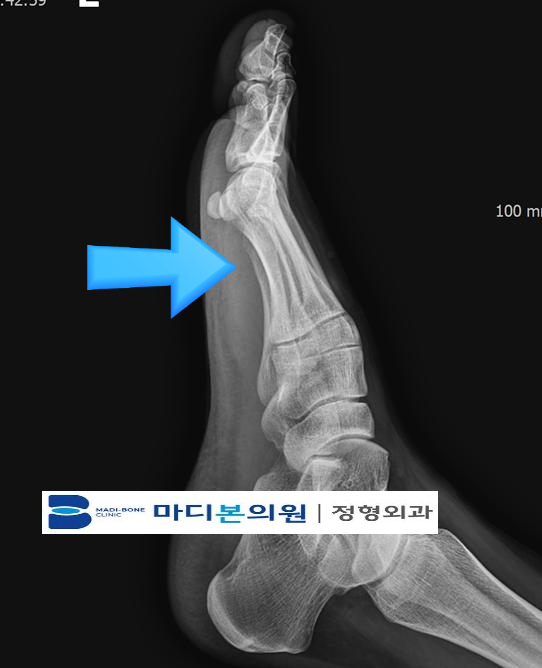
In many cases, an X-ray is performed to evaluate bone alignment and rule out other conditions.
Imaging helps clinicians differentiate between midportion tendinopathy, insertional tendinopathy, and other causes of heel pain.
Achilles Imaging Review
Non-Surgical Treatment Options
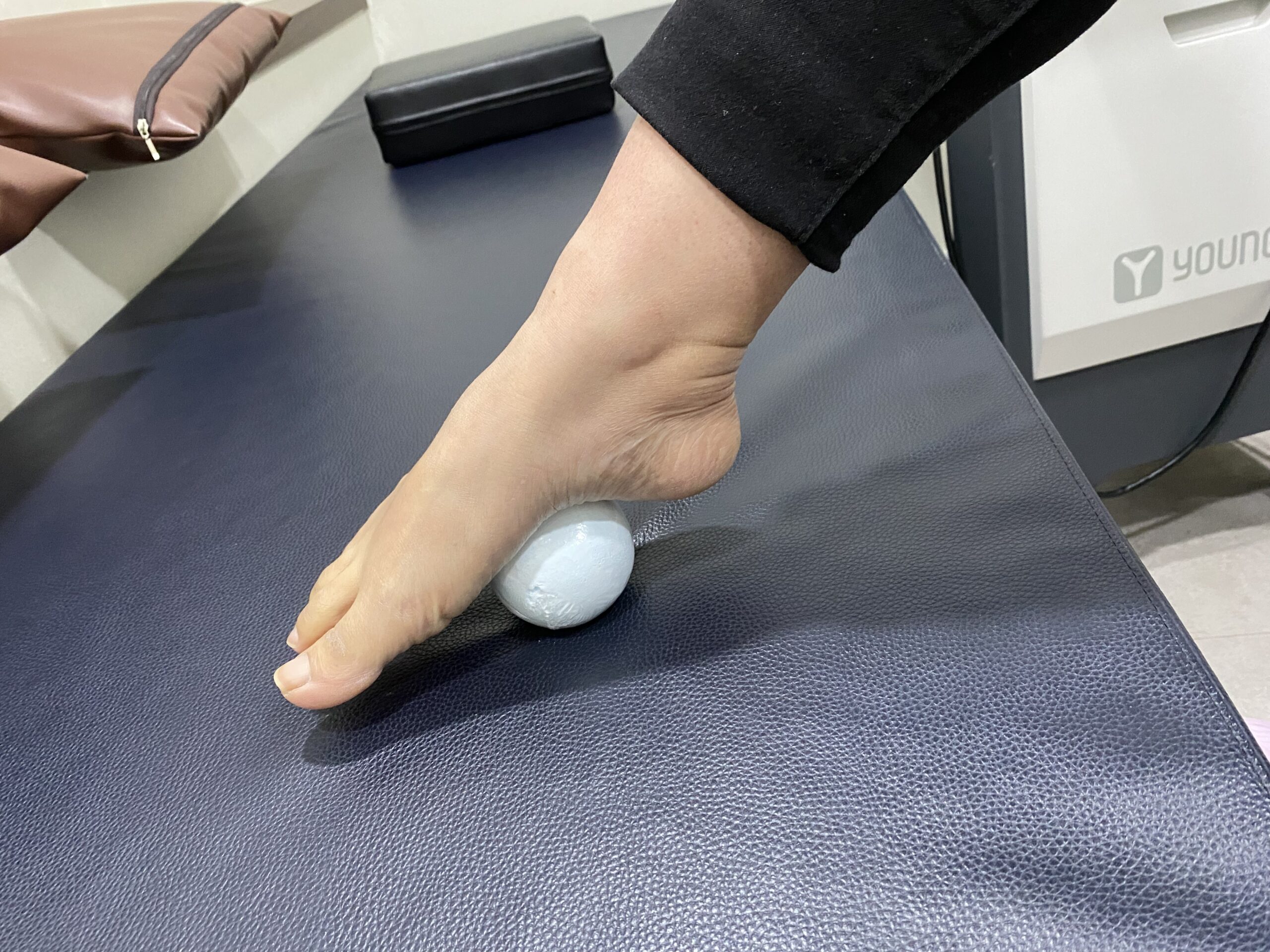
1) Physical Therapy
- calf stretching
- eccentric loading exercises (Alfredson protocol)
- improving foot and pelvic biomechanics
2) Injection Therapy
Used selectively to calm inflammation in acute phases.
3) Extracorporeal Shockwave Therapy (ESWT)
Shockwave therapy promotes tendon healing and reduces chronic irritation.
4) Running Form Correction
Adjusting stride, cadence, and posture reduces tendon load.
Eccentric loading and ESWT are two of the most evidence-supported treatments for Achilles tendinopathy.
Alfredson Eccentric Protocol Study
Related Post
If you’re interested in lower extremity injuries, you may also like:
👉 How Poor Posture Accelerates Disc Degeneration
Frequently Asked Questions (FAQ)
1. Can I continue running if I have Achilles pain?
Light jogging may be possible in mild cases, but increasing pain means the tendon needs rest. Early management prevents chronic injury.
2. Do I need an MRI for Achilles tendinopathy?
Not usually. Diagnosis is based on symptoms and physical exam. MRI is used only when symptoms persist or when a tear is suspected.
3. How long does recovery take?
Mild cases improve within 4–6 weeks. Chronic cases may require 8–12 weeks of structured loading therapy.
MADI-BONE CLINIC (Seolleung Station, ~3 min on foot)
MADI-BONE CLINIC
3F, 428 Seolleung-ro, Gangnam-gu, Seoul
Seolleung Station (Line 2), Exit 1 — ~3 minutes on foot
02-736-2626
⏰ Mon–Fri 09:30–18:30 / Sat 09:30–13:00 (Closed Sundays & Public Holidays)