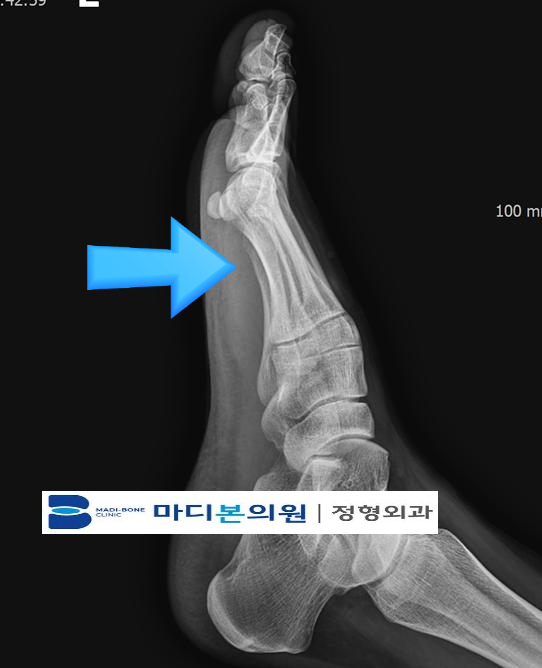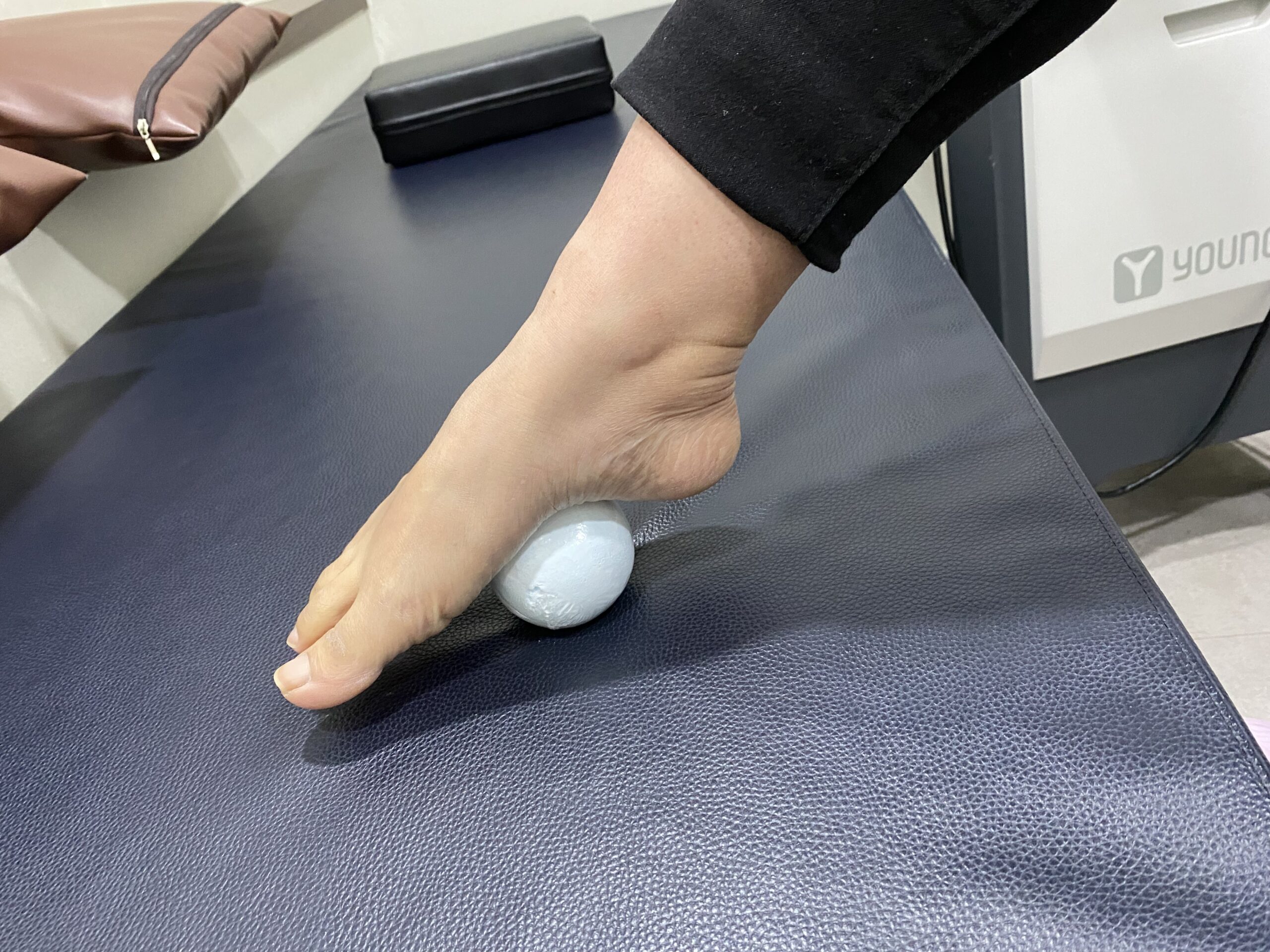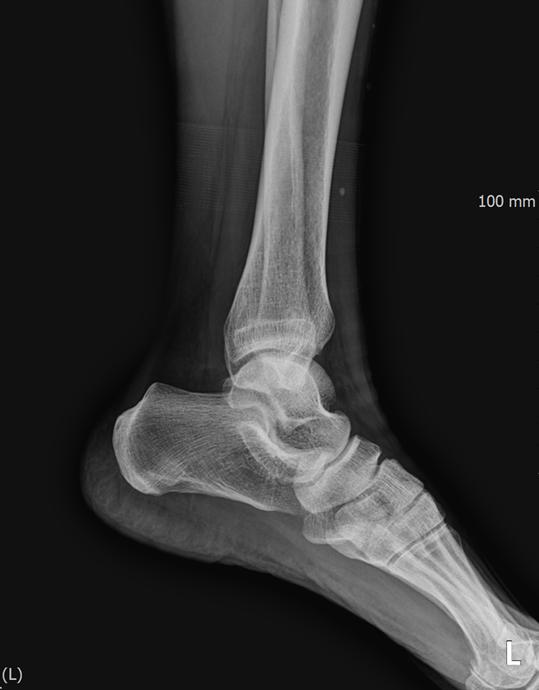
Fast walking and running are excellent for cardiovascular health, blood pressure, diabetes, and weight control. However, overtraining or poor form can lead to ankle sprains, chronic ankle instability, and foot-to-knee problems. Learn how to manage acute ankle sprains and prevent chronic instability. MADI-BONE CLINIC, Seolleung.
Fast Walking, Running, and Ankle Health: From Acute Sprain to Chronic Instability
By MADI-BONE CLINIC | Gangnam (Seolleung Station)
Fast Walking and Running: Good for the Heart, Tough on the Ankles
Fast walking and running are excellent for improving cardiorespiratory endurance and are beneficial for:
- high blood pressure
- diabetes
- obesity and weight control
However, when training volume is excessive or running form is poor, stress can accumulate from the soles of the feet up to the knees, and especially in the ankles.
Old Ankle Injuries Can Become a Chronic Problem
If you have twisted your ankle in the past and did not receive proper treatment, the ankle may become chronically vulnerable.
Repeated minor sprains, a feeling of “giving way,” or lingering discomfort during walking or running are common signs.

How to Manage an Acute Ankle Sprain
When the ankle ligaments or tendons are acutely sprained or inflamed, it is important to protect the joint early to prevent long-term damage.
1) Rest and Activity Modification
For about two weeks, avoid high-impact activity such as:
- running or fast walking on uneven surfaces
- jumping exercises
- sports with quick changes of direction
2) Protection and Support
Use partial casting or an ankle brace to give the ligaments time to heal and prevent repeated twisting.
3) Pain and Swelling Management
If swelling or pain is significant, we may use:
- physical therapy modalities
- extracorporeal shockwave therapy (ESWT)
- injection therapy
These treatments can help reduce acute pain in the short term and create a better environment for healing.
When Ankle Instability Becomes Chronic
If the ankle feels unstable or “weak,” especially:
- when walking on uneven ground
- during quick changes of direction
- or after long periods of standing or walking
…you may be dealing with chronic ankle instability, often caused by:
- incompletely healed ligaments
- weak surrounding muscles
- repeated minor sprains that were never fully rehabilitated
Exercise Therapy for Chronic Ankle Instability
For chronic instability, short-term rest is not enough.
We usually recommend 2–3 sessions of supervised exercise therapy to learn:
- ankle muscle strengthening exercises
- balance and proprioception training
- functional drills for walking and running
Once learned correctly, these exercises should be continued at home consistently to maintain ankle stability.

Listen to Small Signals Before Pain Becomes Chronic
Our bodies often give us small warnings before a problem becomes serious:
- slight ankle discomfort
- a “shaky” feeling on uneven ground
- mild pain after long walks or runs
Rather than ignoring these signs, it is better to:
- modify training intensity
- check your shoes and running surface
- visit a clinic to assess ligament and tendon status
Paying attention early is the best way to prevent chronic pain and long-term ankle damage.
Related Posts
- Achilles Tendinopathy in Runners: Causes and Treatment
- 7 Essential Stretches Every Marathon Runner Should Do
Frequently Asked Questions (FAQ)
1. Can I keep running with a mild ankle sprain?
It is safer to reduce or stop running for about two weeks after an acute sprain. Continuing to run can turn a simple injury into a chronic problem.
2. When should I consider physical therapy or shockwave therapy?
If swelling and pain are strong, or if walking is uncomfortable, early physical therapy and shockwave therapy can help reduce pain and support healing.
3. How do I know if I have chronic ankle instability?
If your ankle frequently feels unstable, twists easily, or hurts after long walks or runs, you may have chronic instability and would benefit from an evaluation and ankle strengthening program.
MADI-BONE CLINIC (Seolleung Station, ~3 min on foot)
MADI-BONE CLINIC
3F, 428 Seolleung-ro, Gangnam-gu, Seoul
Seolleung Station (Line 2), Exit 1 — ~3 minutes on foot
02-736-2626
⏰ Mon–Fri 09:30–18:30 / Sat 09:30–13:00 (Closed Sundays & Public Holidays)