Reverse cervical curve can cause chronic neck pain. Learn how manual therapy helps restore spinal alignment.
Correcting Reverse Cervical Curve
MADI-BONE CLINIC — Seolleung Station, Gangnam
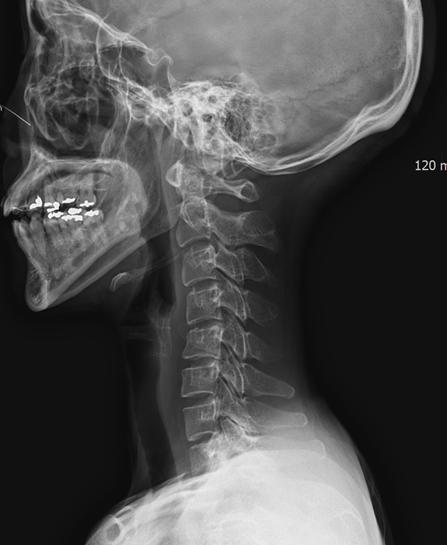
A healthy cervical spine normally forms a gentle “C-shaped” curve.
This natural curvature helps distribute mechanical stress
and allows the neck to move efficiently.
However, in modern lifestyles,
it is increasingly common to see the opposite pattern —
a straightened neck or even a reverse cervical curve.
This structural change can become a significant source
of chronic neck pain and muscular tension.
What Is a Reverse Cervical Curve?
A reverse cervical curve refers to a condition in which
the natural forward curvature of the neck
is reduced or reversed.
Instead of a smooth C-shaped alignment,
the cervical spine appears straight or curved backward
on imaging studies.
This change places abnormal mechanical stress
on surrounding muscles, ligaments, and joints.
Why Reverse Curves Develop
Several factors may contribute to the development
of this structural problem:
- prolonged forward-head posture
- long hours of desk work
- excessive smartphone use
- muscle imbalance in the neck and shoulders
- chronic postural overload
Over time, the body adapts to these stresses,
gradually altering spinal alignment.
Common Symptoms Patients Experience
Patients with a reverse cervical curve
often experience symptoms such as:
- persistent neck stiffness
- upper trapezius tension
- frequent headaches
- reduced neck mobility
- fatigue when maintaining upright posture
Because the problem develops gradually,
many patients initially attribute these symptoms
to simple muscle fatigue.
Why Pain Persists Without Structural Correction
When the cervical curve is altered,
muscles surrounding the spine must compensate
to maintain head position.
Certain muscles become chronically overactive,
while others weaken over time.
Without addressing this imbalance,
pain often returns even after temporary relief.
How Manual Therapy Can Help
Manual therapy focuses on restoring normal movement
and reducing abnormal tension within the musculoskeletal system.
Through targeted techniques,
treatment may help:
- release tight cervical muscles
- improve joint mobility
- restore balanced movement patterns
- support gradual postural correction
When applied appropriately,
manual therapy may contribute to meaningful improvements
in both symptoms and functional alignment.
The Role of Exercise and Habit Correction
Manual therapy alone is rarely sufficient.
Sustainable improvement typically requires
postural education and strengthening exercises
for deep cervical stabilizing muscles.
Patients who actively participate in their recovery
often experience better long-term results.
Why Early Treatment Matters
Structural problems tend to worsen gradually over time.
Early recognition allows for conservative treatment
before symptoms become severe
or more complex spinal problems develop.
Addressing posture and mobility early
can help prevent long-term complications.
Related Articles
-
When Manual Therapy Is the Right Treatment
-
Disc Degeneration Can Start in Your 20s
-
Managing Disc Degeneration Without Surgery
Frequently Asked Questions
Can a reverse cervical curve be corrected?
In many cases, symptoms can improve through a combination of manual therapy,
postural correction, and targeted exercise.
How long does treatment usually take?
Treatment duration varies depending on the severity of the structural change
and the patient’s adherence to posture and exercise recommendations.
Is surgery necessary for reverse cervical curve?
Most cases can be managed conservatively,
especially when symptoms are related to muscular imbalance
rather than severe structural damage.
MADI-BONE CLINIC
Seolleung Station Orthopedic Clinic
Gangnam, Seoul