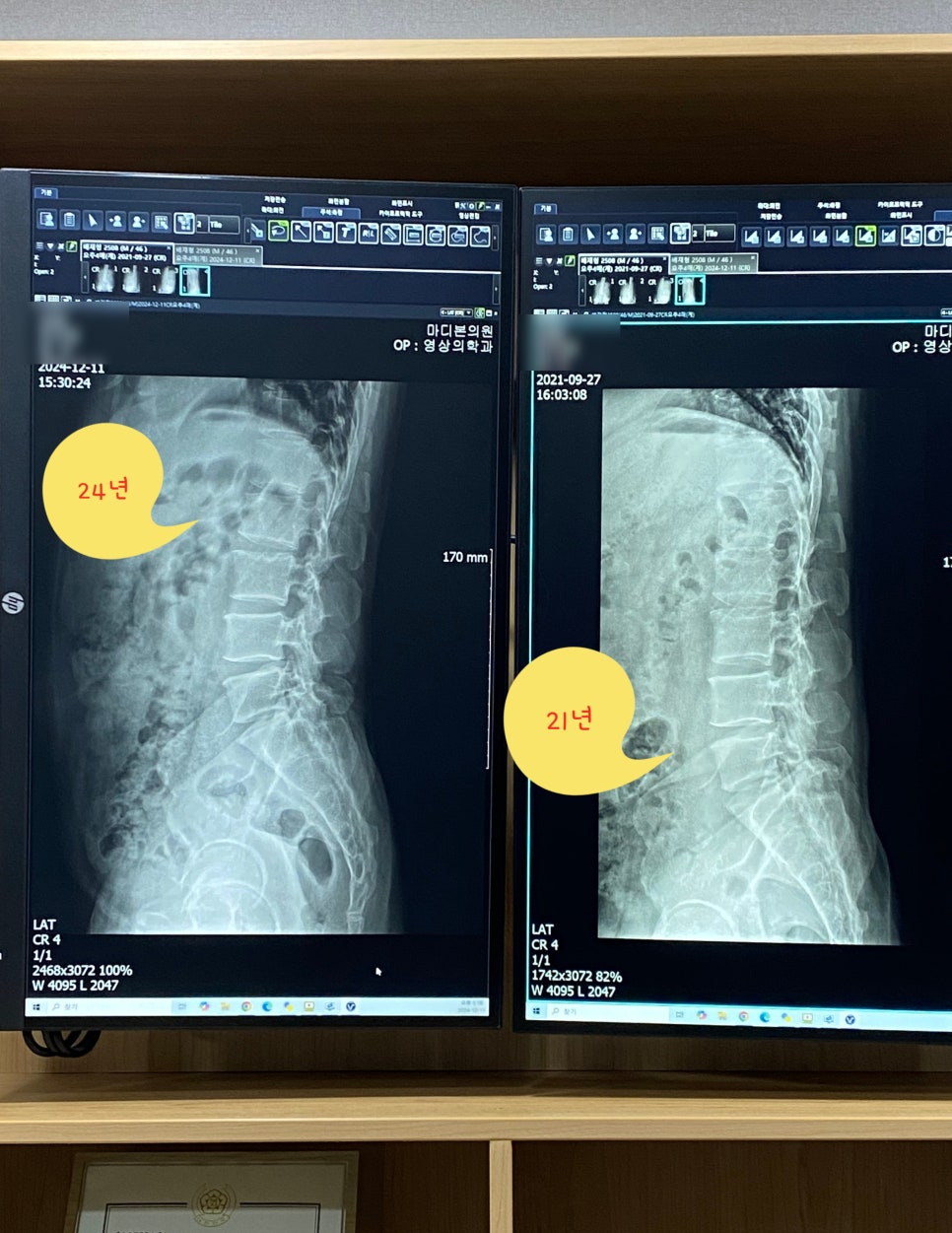
Many patients worry about taking pain medication for long periods. Learn the truth about long-term NSAID use, risks, proper duration, and when to consider non-surgical alternatives. Evidence-based guidance from MADI-BONE CLINIC, Seolleung.
Is Long-Term Pain Medication Safe? What You Should Know About Extended NSAID Use
By MADI-BONE CLINIC | Gangnam (Seolleung Station)
Why Patients Ask About Long-Term Medication Use
Many patients prefer oral medication because it is simple, fast, and does not require visiting the clinic frequently.
However, when pain persists, the question naturally arises:
“Is it safe to keep taking painkillers for weeks or months?”
The short answer: Medication can help, but long-term use carries risks and is often not the best solution.
How Pain Medication Works
Most commonly used pain medications for musculoskeletal conditions are NSAIDs (Non-Steroidal Anti-Inflammatory Drugs).
They reduce inflammation and ease pain by acting throughout the entire body.

NSAIDs provide short-term pain relief but do not address the structural source of musculoskeletal pain.
NSAID Effectiveness Review
Why Long-Term NSAID Use Can Be Problematic
While NSAIDs help in the short term, prolonged or excessive use may lead to:
- stomach irritation (gastritis, ulcers)
- kidney strain
- increased cardiovascular risk
- delayed tendon and soft tissue healing
Long-term NSAID use may impair tendon healing.
Tendon Healing & NSAIDs Study
How Long Is “Too Long” for Pain Medication?
For most musculoskeletal conditions:
- Short-term use (3–7 days) → generally safe
- Medium-term use (1–3 weeks) → acceptable with monitoring
- Long-term use (>1 month) → not recommended without medical supervision
If pain does not improve within **1–3 weeks**, the issue is usually not medication-related but **structural**.
When Medication Alone Is Not Enough
If your pain:
- keeps returning
- limits movement or daily life
- requires constant medication
- persists for weeks despite drugs
…it is time to consider more targeted treatment.
Better Alternatives for Structural Pain
1) Injection Therapy
Precisely targets inflammation at the source — unlike medication, which acts systemically.
2) Extracorporeal Shockwave Therapy (ESWT)
Effective for tendon, ligament, and chronic soft tissue pain.
3) Manual Therapy & Rehabilitation
Improves alignment, mobility, and muscle balance — addressing the cause, not just symptoms.
Targeted treatments offer better long-term outcomes compared to medication alone.
Conservative Treatment Review
Related Posts
Frequently Asked Questions (FAQ)
1. Is it dangerous to take pain medication every day?
Daily use for a short period is acceptable, but prolonged daily use increases the risk of complications.
2. Why does my pain return as soon as I stop medication?
Medication reduces inflammation temporarily but does not fix structural issues.
A proper evaluation is recommended.
3. Should I stop medication if I feel better?
Yes — reduce or stop once symptoms improve and switch to targeted treatments or rehabilitation.
MADI-BONE CLINIC (Seolleung Station, ~3 min on foot)
MADI-BONE CLINIC
3F, 428 Seolleung-ro, Gangnam-gu, Seoul
Seolleung Station (Line 2), Exit 1 — ~3 minutes on foot
02-736-2626
⏰ Mon–Fri 09:30–18:30 / Sat 09:30–13:00 (Closed Sundays & Public Holidays)