A disc diagnosis does not end an active life. Learn how patients stay active through structured management strategies.
Staying Active With a Disc Diagnosis
By MADI-BONE CLINIC — Seolleung Station, Gangnam
A Disc Diagnosis Does Not End Daily Life
One of the most common fears after being diagnosed with a herniated disc
is the belief that normal life must stop.
Patients often assume that work, exercise,
and even simple daily activities
will inevitably worsen their condition.
In reality, many individuals with disc problems
continue to live active, productive lives
through structured management.
Why Complete Rest Is Rarely the Answer
While short-term rest may be necessary during acute flare-ups,
long-term inactivity often leads to deconditioning.
Weakening of the muscles surrounding the spine
can increase mechanical stress on the disc,
making symptoms more likely to recur.
For this reason, modern disc care emphasizes
controlled movement rather than prolonged rest.
The Role of Strengthening in Disc Management
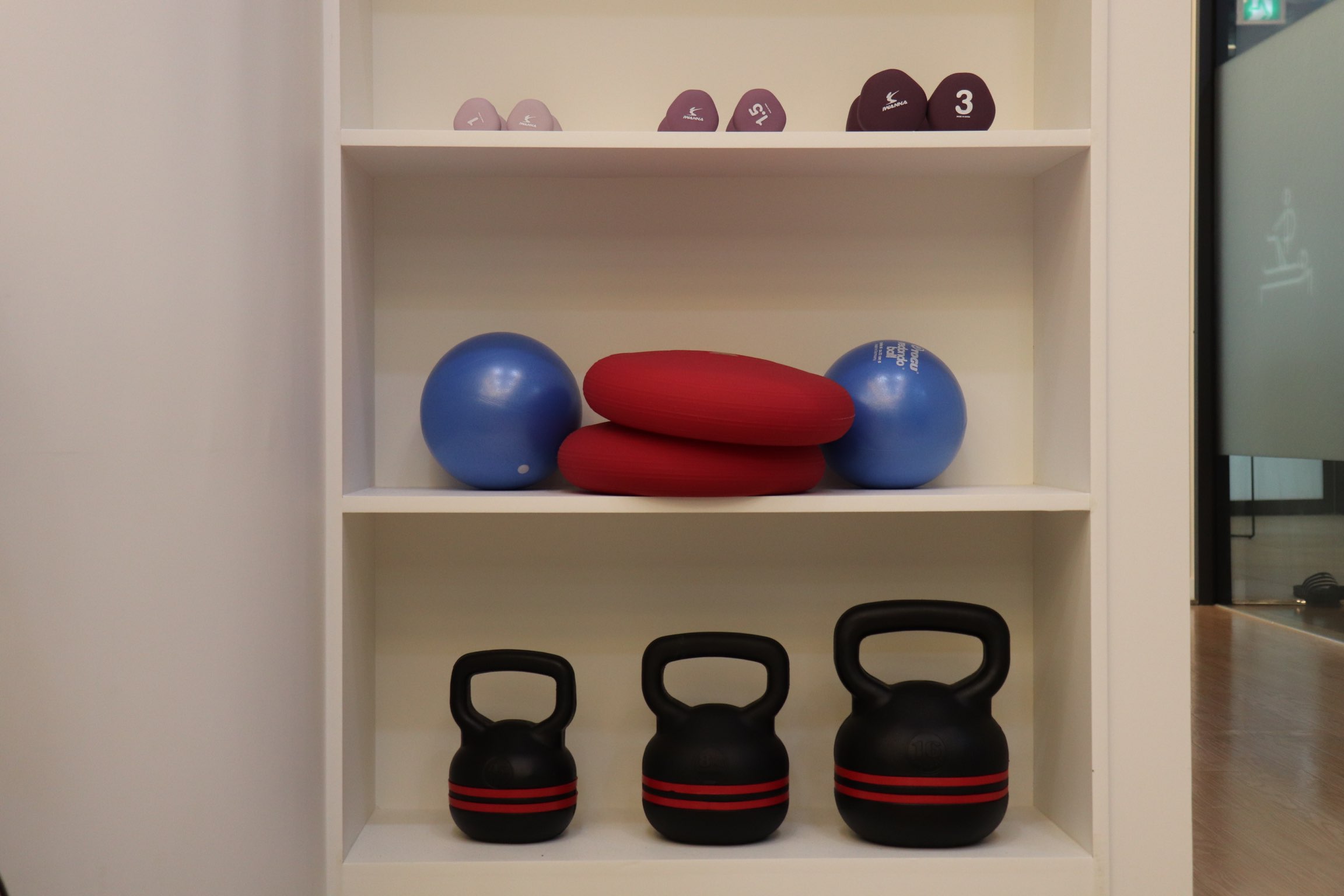
Strengthening the muscles around the spine
helps distribute load more evenly.
This includes:
- deep core stabilizers
- hip and pelvic muscles
- postural support muscles
Patients who commit to regular strengthening
often experience fewer and shorter flare-ups.
A Common Management Pattern Seen in Practice
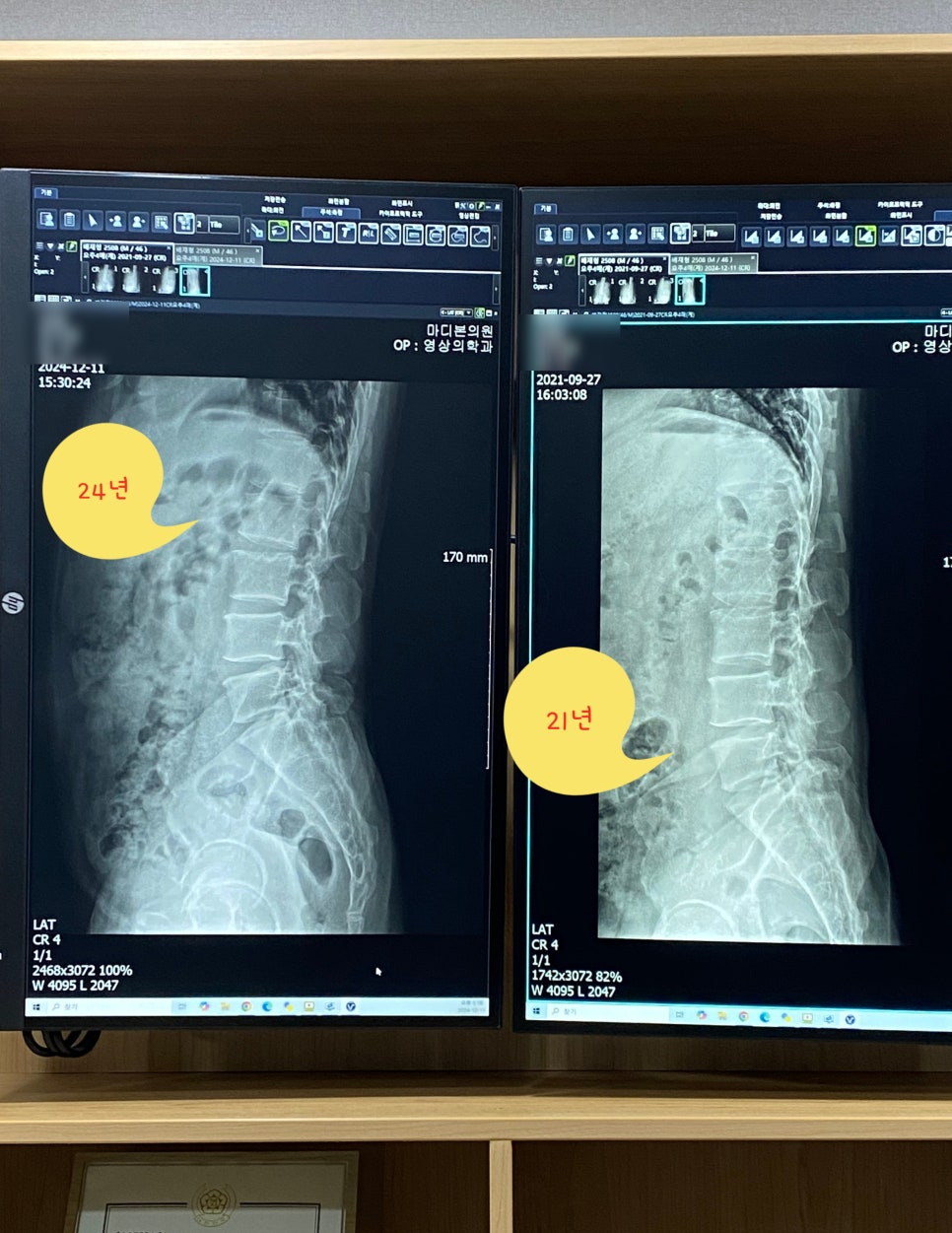
A patient in his early 30s recently visited our clinic
after experiencing a flare-up of disc-related pain.
He had been diagnosed years earlier
and chose to manage his condition through exercise.
When symptoms intensified,
he sought medical care for pain control
rather than abandoning his routine.
Using Injection Therapy Strategically
Injection therapy can be an effective tool
when used strategically.
Rather than serving as a permanent solution,
it is often used to:
- control acute inflammation
- reduce nerve irritation
- allow return to functional movement
Once pain subsides,
patients typically resume strengthening and conditioning.
Activity Modification, Not Elimination
Disc management rarely requires complete avoidance of activity.
Instead, patients benefit from:
- adjusting exercise intensity
- modifying movement patterns
- avoiding positions that provoke symptoms
This approach preserves both physical health
and quality of life.
Recognizing Early Warning Signs
Successful long-term management depends on early recognition.
Warning signs may include:
- increasing stiffness
- recurrent localized pain
- radiating discomfort with certain movements
Addressing symptoms early
prevents prolonged flare-ups.
Maintaining Work and Exercise Balance
Many patients worry about balancing work demands
with disc management.
Ergonomic adjustments, scheduled movement breaks,
and targeted exercises
can significantly reduce daily strain.
The goal is not limitation,
but sustainability.
Disc Care as a Long-Term Plan
Disc-related conditions are best viewed
as long-term management challenges.
This includes:
- ongoing self-monitoring
- periodic professional assessment
- flexibility in activity planning
Patients who adopt this mindset
often maintain stable symptoms for years.
Related Articles
-
Living With a Herniated Disc Without Surgery
-
How Disc Treatment Has Changed
-
How to Exercise Long-Term Without Injury
Frequently Asked Questions (FAQ)
1. Can I continue exercising with a disc problem?
In many cases, yes.
Exercise should be adjusted, not eliminated.
2. Are injections a long-term solution?
Injections are typically used to manage flare-ups,
not as a sole long-term treatment.
3. How do I know if activity is worsening my condition?
Persistent or escalating symptoms
are signs to reassess load and movement.
MADI-BONE CLINIC — Seolleung Station
MADI-BONE CLINIC
3F, 428 Seolleung-ro, Gangnam-gu, Seoul
Seolleung Station (Line 2) Exit 1 — 3 minutes on foot
📞 02-736-2626
⏰ Mon–Fri 09:30–18:30 / Sat 09:30–13:00