Structural pain and inflammatory pain require different treatments. Learn why manual therapy works better for alignment and mechanical problems, while injection therapy is more effective for inflammation-driven pain. Evidence-based guidance from MADI-BONE CLINIC.
Structural Pain vs Inflammatory Pain: Why Manual Therapy and Injection Therapy Work Differently
By MADI-BONE CLINIC | Gangnam (Seolleung Station)
Not All Pain Is the Same — and It Shouldn’t Be Treated the Same Way
Some patients improve dramatically with injection therapy, while others respond far better to manual therapy.
The reason is simple:
Structural problems require structural treatment.
Inflammatory problems require anti-inflammatory treatment.
Understanding the difference helps patients choose the right treatment earlier — and recover faster.
1. What Is Structural Pain?
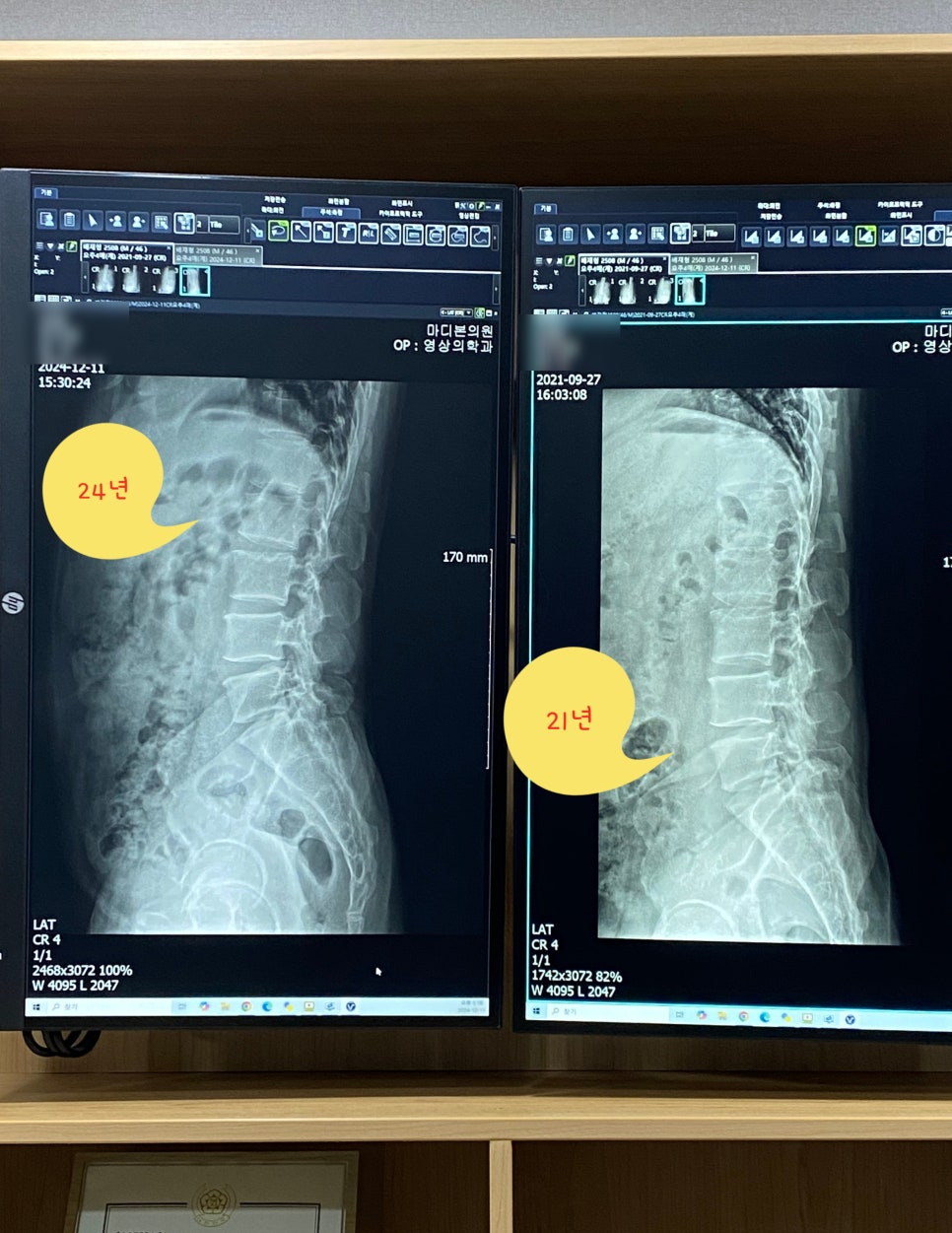
Structural pain comes from issues in the alignment, mobility, or integrity of tissues such as:
- joint misalignment
- muscle imbalance
- pelvic or spinal instability
- tendon or ligament degeneration (tendinosis)
- restricted joint mobility
These problems do not improve with medication alone because the underlying mechanics remain unchanged.

Tendon degeneration requires mechanical loading and corrective therapy — not anti-inflammatory medication alone.
Tendinopathy Pathology Review
Why Manual Therapy Works for Structural Pain
Manual therapy is effective because it directly targets structural issues:
- improves joint mechanics
- corrects posture and alignment
- activates weak stabilizing muscles
- reduces compensatory muscle tension
- restores functional movement patterns
In simple terms:
When the structure is the problem, the solution must modify the structure.
2. What Is Inflammatory Pain?
Inflammatory pain develops when a tissue becomes irritated or overloaded, such as:
- acute tendon inflammation
- joint swelling
- nerve root irritation (radiculopathy)
- bursitis
- acute muscle strain
This type of pain:
- responds well to medication
- improves with rest
- benefits significantly from targeted injection therapy

Not all tendon and ligament pain is inflammatory — but when inflammation is present, targeted injections offer rapid relief.
Conservative Treatment Review
Why Injection Therapy Works for Inflammatory Pain
Injection therapy delivers medication directly to the inflamed area, reducing inflammation rapidly and effectively.
Benefits include:
- fast pain reduction
- reduced nerve irritation
- calming of acute inflammation
- improved mobility
In short:
When inflammation is the problem, the treatment must target inflammation directly.
How We Decide Which Treatment You Need
At MADI-BONE CLINIC, treatment follows a simple, evidence-based logic:
- If pain increases with specific movements
→ structural problem → manual therapy - If pain feels hot, swollen, sharp, or recent
→ inflammatory problem → injection therapy - If both structural + inflammatory signs exist
→ combination therapy
Related Posts
- Can Pain Medication Alone Treat Your Pain?
- Why Pain Keeps Coming Back: Structural vs Inflammatory Pain
Frequently Asked Questions (FAQ)
1. How do I know if my pain is structural or inflammatory?
If pain worsens with movement, it is likely structural.
If pain is warm, swollen, or newly developed, inflammation is likely involved.
2. Can structural pain improve with injections?
Injections may temporarily reduce pain, but they cannot correct alignment or mechanical issues. Manual therapy is required.
3. Can inflammatory pain benefit from manual therapy?
Yes, but not in the acute phase. Manual therapy becomes more effective once inflammation is controlled.
MADI-BONE CLINIC (Seolleung Station, ~3 min on foot)
MADI-BONE CLINIC
3F, 428 Seolleung-ro, Gangnam-gu, Seoul
Seolleung Station (Line 2), Exit 1 — ~3 minutes on foot
02-736-2626
⏰ Mon–Fri 09:30–18:30 / Sat 09:30–13:00 (Closed Sundays & Public Holidays)