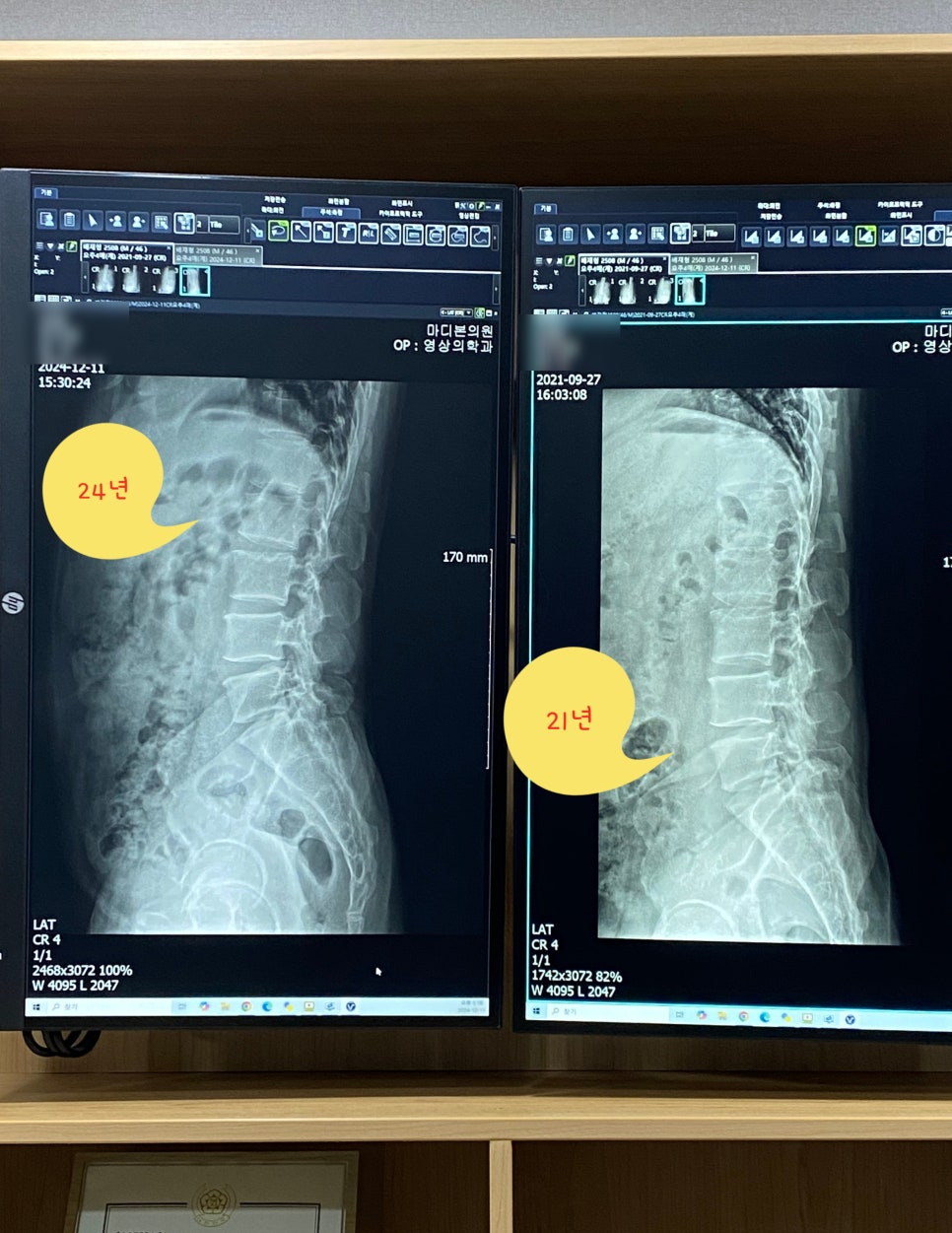
Manual therapy works best for structural problems like posture imbalance and joint restriction.
When Manual Therapy Is the Right Treatment
MADI-BONE CLINIC — Seolleung Station, Gangnam
In recent years, manual therapy has become a widely discussed topic in healthcare.
Some people question whether it is truly necessary,
while others report meaningful improvement after treatment.
The truth is simple.
Manual therapy is not a universal solution,
but it can be highly effective when the underlying problem is structural.
Not All Pain Comes From the Same Cause
Patients often visit the clinic complaining of neck pain, back pain, or shoulder discomfort.
While the symptoms may appear similar,
the underlying causes can be very different.
Some pain originates from inflammation.
In these situations, injection therapy or medication may be helpful.
However, other cases are caused by structural imbalance,
such as poor posture, joint stiffness, or muscle imbalance.
When the problem lies in structure rather than inflammation,
manual therapy may play an important role.
Understanding Structural Problems
The spine and surrounding joints function as a coordinated system.
When alignment or mobility is disrupted,
certain muscles become overused while others weaken.
This imbalance can lead to persistent discomfort,
reduced range of motion,
and repeated episodes of pain.
In these cases,
simply reducing inflammation does not fully resolve the problem.
The underlying mechanical issue must also be addressed.
How Manual Therapy Helps
Manual therapy focuses on restoring normal movement patterns.
Through targeted techniques,
the therapist works to:
- release tight muscles and fascia
- improve joint mobility
- correct movement imbalance
- restore functional alignment
By addressing these structural issues,
manual therapy can reduce mechanical stress placed on the spine and joints.
Examples of Conditions That May Benefit
Manual therapy may be particularly helpful in patients with:
- forward head posture
- pelvic imbalance
- restricted spinal mobility
- chronic muscle tension
- postural overload from prolonged sitting
These conditions are frequently observed in individuals
who spend long hours working at desks or using digital devices.
Why Treatment Must Be Individualized
Manual therapy should not be applied in the same way to every patient.
A careful assessment is necessary to determine whether the primary issue
is inflammatory or structural.
In some cases, injection therapy may relieve acute pain,
while manual therapy is used later to correct the underlying mechanical imbalance.
The combination of treatments often produces the best results.
Looking Beyond Pain Relief
The goal of treatment is not only temporary pain reduction.
Restoring proper movement patterns
can help prevent recurrent injuries
and support long-term musculoskeletal health.
When structural issues are addressed early,
patients often experience more stable and lasting improvement.
Related Articles
-
Managing Disc Degeneration Without Surgery
-
Disc Degeneration Can Start in Your 20s
-
Why X-rays Are Sometimes Not Enough
Frequently Asked Questions
Is manual therapy effective for all types of pain?
No. Manual therapy is most effective when the pain originates from structural imbalance rather than inflammation.
How many sessions are usually needed?
The number of sessions varies depending on the severity of the structural issue and the patient’s daily habits.
Can manual therapy replace other treatments?
Not always. In many cases it works best alongside other treatments such as injections or therapeutic exercise.
MADI-BONE CLINIC
Seolleung Station Orthopedic Clinic
Gangnam, Seoul