Pain that does not improve with rest or medication is often structural, not just inflammation. Learn the difference between inflammation-driven pain and structural pain, and why treatment strategies must be different. Evidence-based guidance from MADI-BONE CLINIC.
Why Does My Pain Keep Coming Back? Structural Pain vs Inflammatory Pain Explained
By MADI-BONE CLINIC | Gangnam (Seolleung Station)
Why Your Pain Isn’t Going Away
Many patients come to the clinic saying:
“I took medication, but the pain keeps returning.”
“I rested for a week, but the pain comes back as soon as I move.”
When pain does not improve with rest or medication, the cause is often structural, not simply inflammatory.
Understanding the difference between these two categories is essential for choosing the right treatment.
1. What Is Inflammatory Pain?
Inflammatory pain occurs when tissues such as muscles, ligaments, or tendons become irritated or overloaded.
This type of pain:
- responds well to NSAIDs (pain medication)
- improves with rest
- is usually temporary
- has swelling, warmth, or tenderness
Examples include:
- early tendon irritation
- simple muscle sprains
- acute inflammation after overuse
NSAIDs reduce inflammation but do not fix underlying structural dysfunction.
NSAID Review
2. What Is Structural Pain?
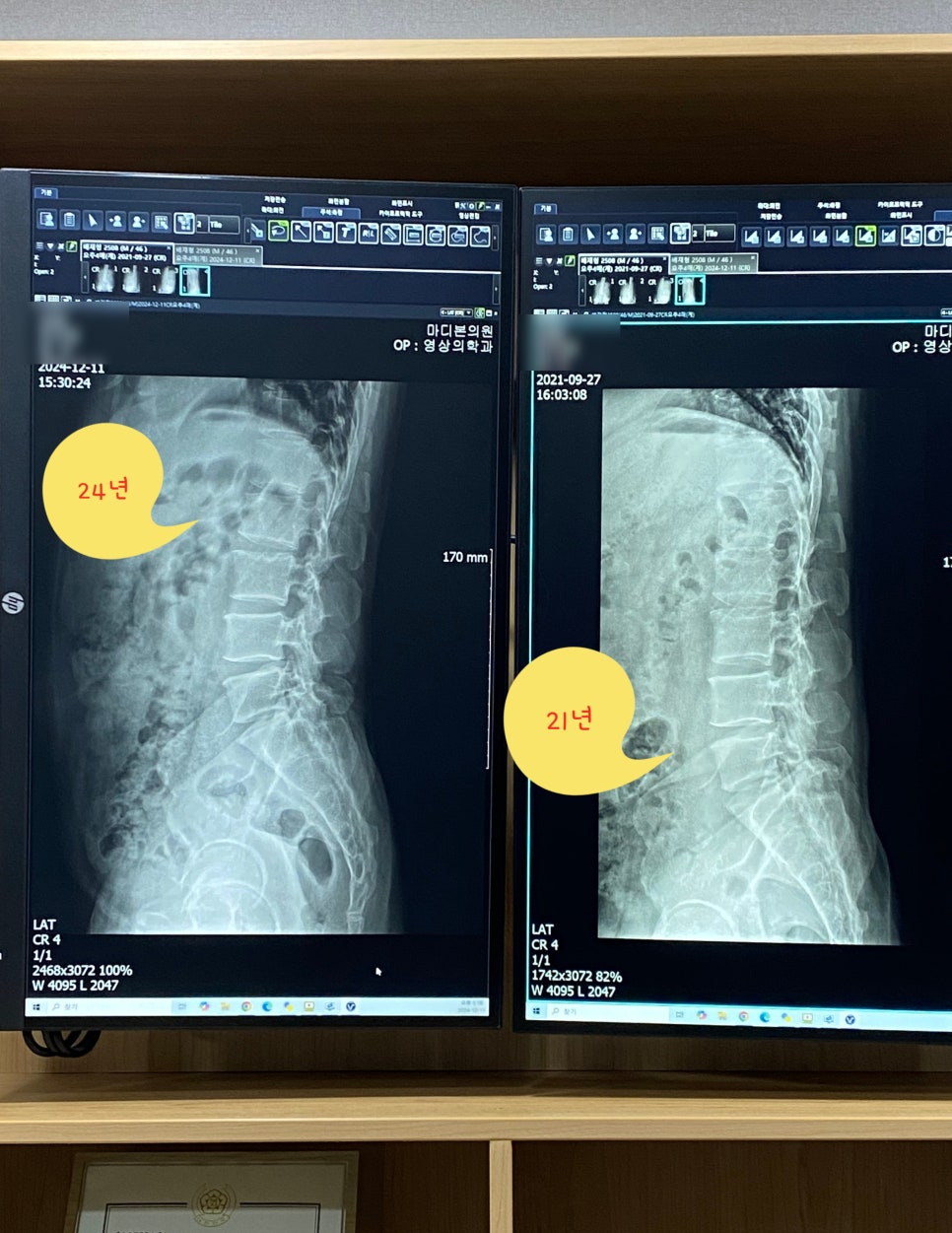
Structural pain results from changes or damage in the tissue itself, such as:
- disc bulging or herniation
- tendon degeneration (tendinosis)
- joint surface wear
- ligament laxity or chronic irritation
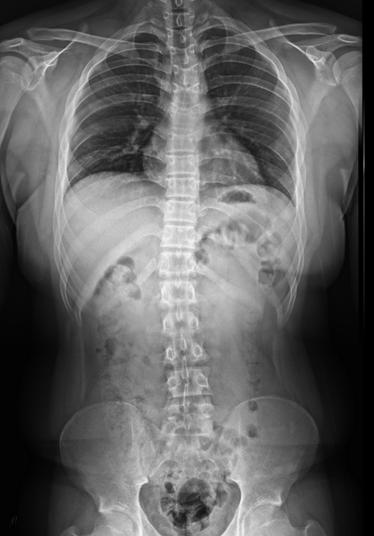
- alignment or biomechanical problems
In these situations:
- medication provides only temporary relief
- rest does not fully resolve the issue
- pain returns with activity
Tendon degeneration is not inflammatory — it requires mechanical loading and targeted treatment, not just medication.
Tendon Pathology Review
How to Tell the Difference
You may be dealing with inflammatory pain if:
- pain improves significantly with medication
- rest reduces symptoms
- symptoms started suddenly after overuse
You may be dealing with structural pain if:
- pain returns every time you move or exercise
- medication only helps temporarily
- you feel stiffness or weakness
- pain persists for weeks
Why Structural Pain Needs Different Treatment
Structural problems rarely improve with medication alone because the underlying mechanics are unchanged.
To fix structural issues, treatment must:
- reduce pressure on the injured structure
- restore proper alignment
- improve tendon or ligament healing
- increase joint stability and mobility
Effective Treatment Options for Structural Pain
1) Injection Therapy
Targets inflammation or nerve irritation at the exact location — not systemically like medication.
2) Extracorporeal Shockwave Therapy (ESWT)
Promotes tendon healing in chronic degeneration (e.g., Achilles, plantar fascia, elbow tendons).
3) Manual Therapy & Rehabilitation
Corrects posture, muscle imbalance, and joint mobility — essential for long-term improvement.
Research shows that structural problems respond best to targeted therapies, not systemic medication.
Conservative Treatment Outcomes
Related Posts
Frequently Asked Questions (FAQ)
1. Why does my pain keep coming back after medication?
Because medication treats inflammation, not structural issues. If the tissue itself is damaged or misaligned, pain will return.
2. How do I know if my pain is structural?
Pain that returns with activity, lasts for weeks, or improves only temporarily with medication is usually structural.
3. Can structural pain heal without surgery?
Most structural issues improve with non-surgical treatments such as injections, ESWT, and targeted rehabilitation.
MADI-BONE CLINIC (Seolleung Station, ~3 min on foot)
MADI-BONE CLINIC
3F, 428 Seolleung-ro, Gangnam-gu, Seoul
Seolleung Station (Line 2), Exit 1 — ~3 minutes on foot
02-736-2626
⏰ Mon–Fri 09:30–18:30 / Sat 09:30–13:00 (Closed Sundays & Public Holidays)