Why Shoulder Pain Often Runs in Families — And Why Many Patients Visit Through Referrals
By MADI-BONE CLINIC | Gangnam (Seolleung Station)
Many Patients Find Us Through Someone They Trust
While most patients discover our clinic through online searches, a surprisingly large number come through personal referrals — coworkers, friends, or family members who have already received treatment here.
In fact, we frequently see entire families visiting together:
- a mother and daughter receiving treatment at the same time
- a nephew recommending the clinic to an uncle
- siblings who both experienced improvement and introduced each other
Pain is personal, and most people prefer to recommend a clinic only when they truly trust the care and results.
We are always grateful when patients feel confident enough to introduce us to their family.
Some Pain Conditions Do Have Genetic Influence
Most types of pain come from overuse, strain, posture issues, or minor injuries.
However, genetics is not completely irrelevant.
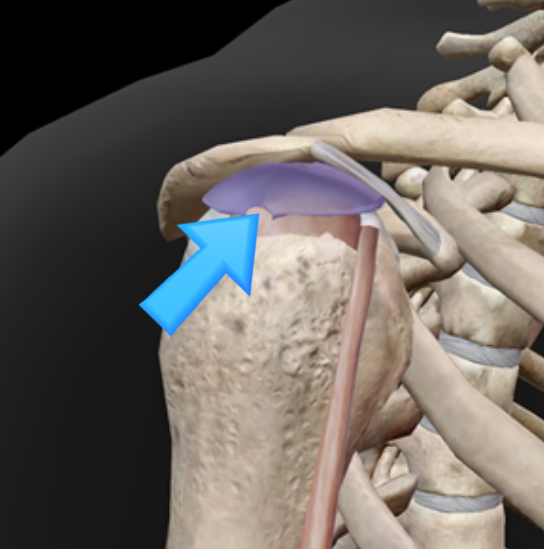
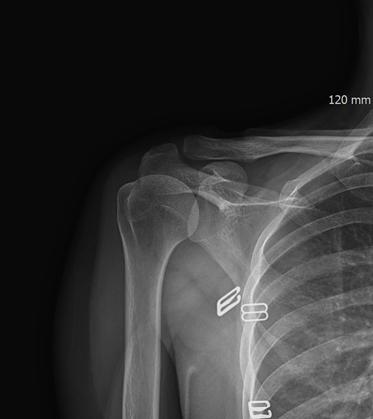
One of the clearest examples is shoulder pain.
Research suggests that certain shoulder conditions—such as rotator cuff disease or impingement—show up to 50% heritability.
This means that if one family member experiences shoulder problems, relatives may also be at higher risk.
Several studies have highlighted the genetic contribution to shoulder pain and rotator cuff pathology.
(Tashjian et al., 2013)
This is why we often see families where multiple members share similar shoulder symptoms — and why one person’s successful treatment often leads to referrals within the family.
Pain Doesn’t Improve by “Enduring It”
Many people try to tolerate pain for weeks or months, hoping it will naturally improve.
Unfortunately, delaying care often leads to:
- worsening inflammation
- compensation patterns that strain other joints
- longer recovery time
If pain is interfering with your daily life — or if someone in your family has similar symptoms — it is better to seek evaluation early.
Early diagnosis usually means simpler, faster, and more effective treatment.
MADI-BONE CLINIC (Seolleung Station, ~3 min on foot)
MADI-BONE CLINIC
3F, 428 Seolleung-ro, Gangnam-gu, Seoul
Seolleung Station (Line 2), Exit 1 — ~3 minutes on foot
02-736-2626
⏰ Mon–Fri 09:30–18:30 / Sat 09:30–13:00 (Closed Sundays & Public Holidays)
Reference
- Tashjian RZ, et al. The role of genes in rotator cuff disease. J Shoulder Elbow Surg.
PubMed
This article is for educational purposes and does not replace an individual medical evaluation or treatment plan.