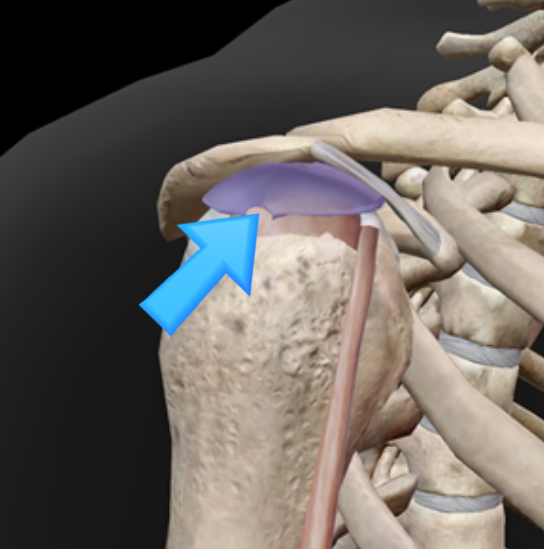
Why do TFCC wrist injuries rise every winter? Learn causes, symptoms, diagnosis and effective treatment options.
Why TFCC Injuries Rise in Winter
By MADI-BONE CLINIC — Seolleung, Gangnam
Winter Slips Lead to More Wrist Injuries — Especially TFCC Damage
Every winter, our clinic sees a clear rise in TFCC injuries.
While ankle sprains and fractures are common, a surprisingly large number of patients
visit due to wrist pain — often without realizing the true underlying cause.
TFCC stands for Triangular Fibrocartilage Complex — the structure that stabilizes the wrist’s
ulnar side (the side near the little finger).
It absorbs force, protects ligaments and helps distribute load through the wrist.
In winter, this region is especially vulnerable for three key reasons:
- falling hand-first on ice or snow
- reduced mobility due to cold and clothing bulk
- slower reaction time because muscles stiffen in low temperatures
These factors create the “perfect storm” for TFCC stress or tearing.
What Exactly Is TFCC and Why Does It Matter?
The TFCC is made of cartilage, ligaments, and connective tissue.
It works as:
- a stabilizer for wrist rotation
- a shock absorber during gripping and weight-bearing
- a load distributor toward the forearm
When injured, patients feel:
- ulnar-sided wrist pain
- pain when twisting (turning a key, opening a bottle)
- pain when pushing up from a chair
- weak grip

Why Winter Causes More TFCC Injuries
1. Slips and Falls Are More Frequent
Snow and ice dramatically increase falls — research shows seasonal spikes in wrist trauma.
Winter Trauma Study
Instinctively, most people catch themselves with their hands.
This causes sudden rotational + compressive force directly through the TFCC.
2. Reduced Wrist Mobility From Cold and Clothing
Winter muscle stiffness reduces reaction and protective control.
Thick clothing limits arm positioning, making misalignment more likely during a fall.
3. Hidden Ice Surfaces
Even healthy young adults slip on invisible ice patches, increasing ulnar loading and wrist strain.
How TFCC Injury Presents Clinically
Patients rarely walk into the clinic saying:
“I think I damaged my TFCC.”
Instead, they report:
- “my wrist hurts when I drive”
- “I feel pain twisting a lid”
- “I hurt my wrist weeks ago but it hasn’t gone away”
This is because TFCC injuries often present after the fall pain has subsided
but appear during rotational use.
How We Diagnose TFCC Injury
At MADI-BONE CLINIC, TFCC evaluation includes:
- mechanism history (did you slip recently?)
- palpation and motion testing
- pain reproduction with rotational loading
- X-ray imaging to rule out fracture
MRI may be ordered if persistent symptoms suggest structural tear.
How TFCC Injuries Are Treated — Especially in Winter Cases
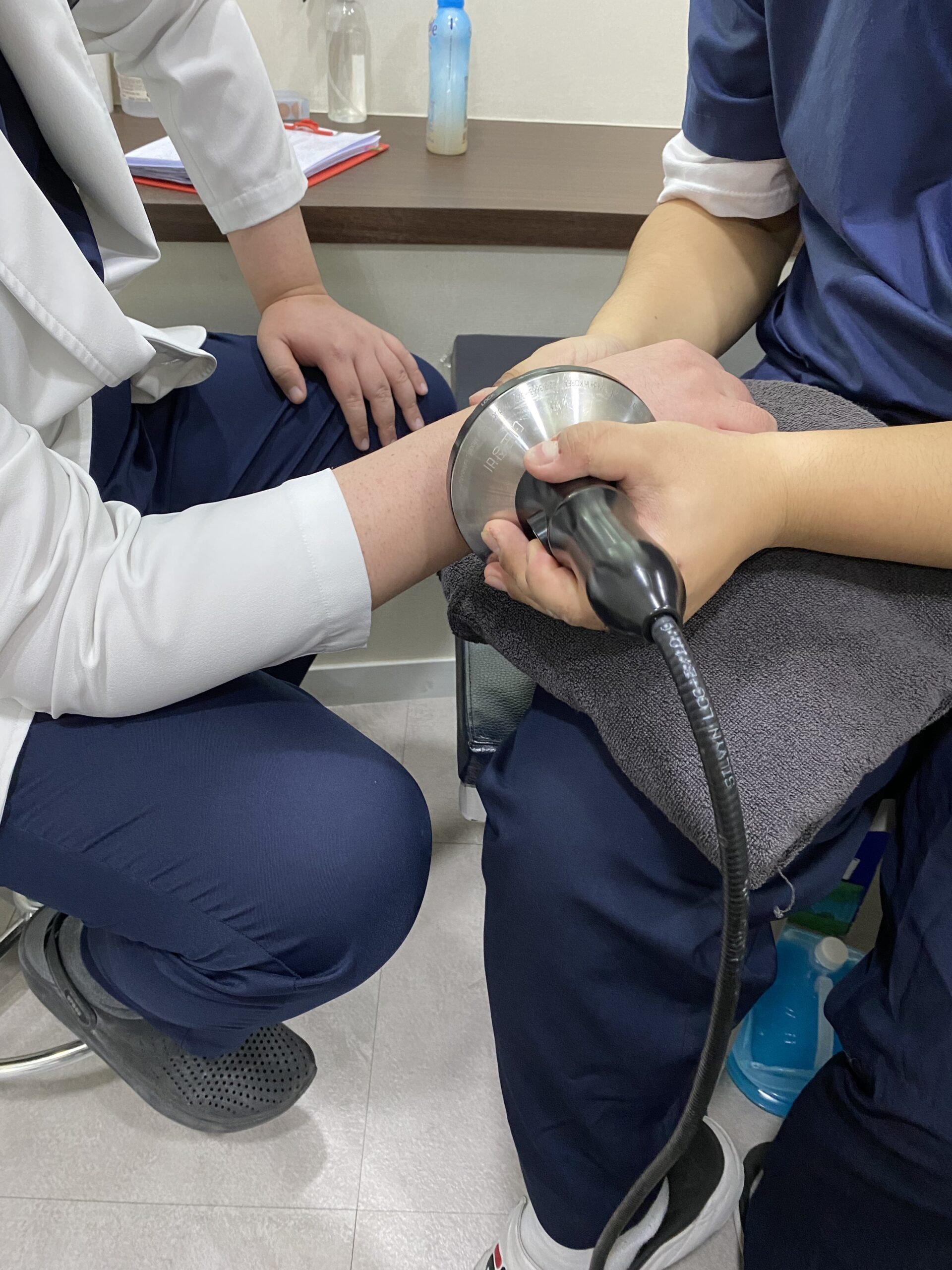
1. Shockwave Therapy for Tissue Regeneration
Shockwave treatment stimulates healing in tendons and connective tissue
and improves blood supply in poor vascular zones like TFCC.
2. Stabilization and Activity Modification
Patients are guided to avoid:
- push-off movements
- heavy gripping
- twisting forces
3. Injection Therapy When Required
In inflammatory flares or more severe injury cases, selective injections calm pain and
allow rehab progression.
4. Exercise Therapy for Wrist Stability
Training forearm and intrinsic wrist stabilizers restores control and prevents re-injury.

Shockwave improves chronic tendon function and vascularity — particularly useful in TFCC injury.
Conservative Tendon Treatment Review
How Long Does TFCC Recovery Take?
Recovery varies but most cases improve in
4–8 weeks with appropriate load control.
Chronic or delayed cases may take longer.
Internal Links — Related Education
More musculoskeletal insights from our clinic:
- Winter Falls: What Hurts Most and Why
- Why Some Patients Respond Quickly to Shockwave
- When Shockwave Therapy Works Best
Frequently Asked Questions (FAQ)
1. Can TFCC injury heal by itself?
In many mild cases, yes — provided stress is reduced and healing is coached properly.
2. Why didn’t I feel wrist pain immediately after my fall?
Initial swelling or compensation masks pain, which returns when rotation stress loads the area.
3. When should I see a doctor?
If pain persists beyond 2–3 weeks or worsens with twisting or driving, clinical evaluation is recommended.
MADI-BONE CLINIC (Seolleung Station)
MADI-BONE CLINIC
3F, 428 Seolleung-ro, Gangnam-gu, Seoul
Seolleung Station Exit 1 — 3 minutes on foot
02-736-2626
⏰ Mon–Fri 09:30–18:30 / Sat 09:30–13:00