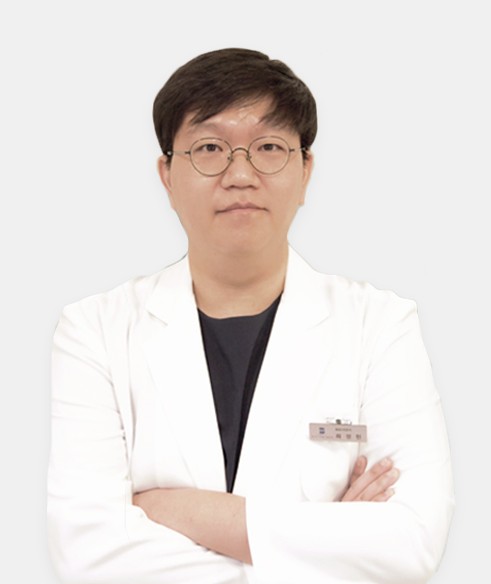
Written & Reviewed by
Dr. Choe Jeongheon
General Surgeon · Orthopedic Clinic Director · MD, PhD
Founder of MADI-BONE CLINIC, Seoul. 10+ years of experience in musculoskeletal medicine and private orthopedic care.
Every year, thousands of international patients fly to South Korea for orthopedic care — and the numbers are growing. But what exactly draws foreigners to Korea for joint replacements, spine treatments, and musculoskeletal care?
The answer isn’t just cost. It’s a combination of factors that few other countries can match simultaneously: world-class facilities, short wait times, advanced technology, and a healthcare culture built around efficiency and precision.
Here’s what international patients consistently tell us when they arrive at MADI-BONE CLINIC in Seoul — and why they chose Korea over staying home.
1. The Quality Gap Is Smaller Than You Think — And Often Reversed
Many international patients arrive expecting to “compromise” on quality in exchange for lower costs. Most leave surprised.
South Korea ranks among the top countries globally for healthcare quality. Korean orthopedic surgeons routinely train abroad — in the US, Germany, and Japan — before returning to practice. Many hold dual board certifications and publish regularly in international medical journals.
Korea also has one of the highest MRI and CT scanner densities per capita in the world, meaning diagnostic imaging is fast, accurate, and readily available — often on the same day as your consultation.
2. Wait Times That Actually Make Sense
In the UK, the average wait for a knee replacement through the NHS can exceed 12–18 months. In Canada, patients routinely wait over a year for elective orthopedic procedures. In Australia, public hospital wait times for joint replacement surgery often stretch beyond 12 months.
In Korea, the same procedure can typically be scheduled within 1–3 weeks of your initial consultation.
For patients living in chronic pain, that difference isn’t just logistical — it’s life-changing.
3. The Cost Difference Is Significant — Even After Travel
When international patients factor in flights, accommodation, and recovery time, some assume the savings disappear. In reality, the numbers still work strongly in Korea’s favor.
| Procedure | Korea (USD) | USA (USD) | UK (GBP) | Australia (AUD) |
|---|---|---|---|---|
| Total Knee Replacement | $8,000 – $15,000 | $30,000 – $70,000 | £12,000 – £20,000 | A$25,000 – A$45,000 |
| Spinal Disc Injection | $500 – $1,500 | $2,000 – $8,000 | £1,500 – £4,000 | A$2,000 – A$6,000 |
| Shoulder Surgery | $5,000 – $12,000 | $20,000 – $50,000 | £10,000 – £18,000 | A$18,000 – A$35,000 |
| PRP Injection Therapy | $300 – $800 | $500 – $2,000 | £400 – £1,500 | A$600 – A$1,800 |
Figures are general estimates for informational purposes. Always confirm pricing directly with your chosen facility.
A patient flying from Sydney to Seoul for knee replacement surgery — including return flights and two weeks of accommodation — can still save $15,000–$25,000 compared to private treatment in Australia.
4. Non-Surgical Options That Aren’t Available at Home
One of the less-discussed reasons foreigners choose Korea is access to non-surgical treatments that are either unavailable, heavily restricted, or prohibitively expensive in their home countries.
At MADI-BONE CLINIC, we regularly treat international patients with:
- Ultrasound-guided injection therapy — precise, image-guided injections for joint pain, tendinopathy, and nerve compression
- Extracorporeal Shockwave Therapy (ESWT) — non-invasive treatment for chronic tendon and ligament conditions
- Prolotherapy and PRP — regenerative injection treatments to stimulate tissue repair
- C-arm fluoroscopy-guided spinal injections — highly accurate epidural and nerve root injections for disc and spine conditions
Many patients come to Korea specifically because their home country’s healthcare system doesn’t cover or offer these treatments — and waiting for surgery feels premature when non-surgical options haven’t been properly explored.
5. Seoul Is Easy to Navigate as a Medical Tourist
Korea’s infrastructure for international medical patients is well developed. Major clinics and hospitals in Seoul — particularly in the Gangnam district — have international patient coordinators who handle:
- English-language consultations and medical reports
- Insurance pre-authorization documentation
- Airport transfers and accommodation recommendations
- Follow-up care coordination with your home physician
Seoul is also one of the most connected cities in Asia, with direct flights from most major international hubs. Incheon International Airport consistently ranks among the world’s best for efficiency and transit experience.
6. A Second Opinion That Changes Everything
A significant number of our international patients arrive not for a planned procedure — but for a second opinion.
They’ve been told they need surgery back home. They’re not sure. They want an independent assessment from a specialist who has no financial incentive tied to the surgical outcome.
In many cases, we find that non-surgical management — injection therapy, shockwave, rehabilitation — can meaningfully reduce pain and restore function without surgery. In other cases, we confirm that surgery is genuinely the right next step and help patients plan accordingly.
Either way, international patients consistently tell us that the consultation alone was worth the trip.
Is Korea the Right Choice for You?
Korea isn’t the right answer for every orthopedic condition or every patient. Emergency surgery, complex trauma, and certain highly specialized procedures are best handled close to home.
But for elective orthopedic procedures, chronic musculoskeletal pain, non-surgical treatment options, and second opinions — Korea offers a genuinely compelling alternative that deserves serious consideration.
If you’re considering orthopedic care in Seoul, we’re happy to review your case and provide an honest assessment of your options before you make any decisions.
This article was written and reviewed by Dr. Choe Jeongheon, General Surgeon · Orthopedic Clinic Director · MD, PhD. Founder of MADI-BONE CLINIC, Seoul. Cost figures are general estimates based on publicly available data and are for informational purposes only. Always consult directly with your chosen facility for accurate pricing.