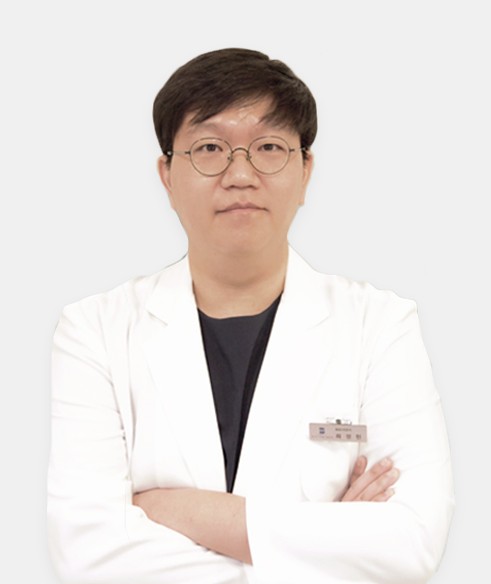
Written & Reviewed by
Dr. Choe Jeongheon
General Surgeon · Orthopedic Clinic Director · MD, PhD
Founder of MADI-BONE CLINIC, Seoul. 10+ years of experience in musculoskeletal medicine and private orthopedic care.
If you’re researching orthopedic surgery abroad, three destinations come up repeatedly: South Korea, Thailand, and Singapore. All three have strong reputations for medical tourism. All three offer significant cost savings compared to the US, UK, or Australia. But they are not equal — and the right choice depends heavily on what you’re looking for.
Here’s an honest, side-by-side comparison based on what international orthopedic patients actually experience.
Cost Comparison: Who Wins on Price?
Cost is usually the first factor international patients consider. Here’s how the three countries compare across common orthopedic procedures:
| Procedure | Korea (USD) | Thailand (USD) | Singapore (USD) |
|---|---|---|---|
| Total Knee Replacement | $8,000 – $15,000 | $10,000 – $18,000 | $20,000 – $35,000 |
| Spinal Disc Surgery | $8,000 – $20,000 | $10,000 – $22,000 | $18,000 – $40,000 |
| Shoulder Surgery | $5,000 – $12,000 | $7,000 – $15,000 | $15,000 – $30,000 |
| PRP / Injection Therapy | $300 – $800 | $400 – $1,000 | $800 – $2,000 |
| Shockwave Therapy (ESWT) | $100 – $300 | $150 – $400 | $300 – $700 |
Figures are general estimates for informational purposes. Always confirm pricing directly with your chosen facility.
Verdict on cost: Korea and Thailand are closely matched and both significantly cheaper than Singapore. Korea has a slight edge for non-surgical treatments like injection therapy and shockwave. Singapore is the most expensive of the three — but for some patients, that cost reflects specific advantages (see below).
Quality and Accreditation: Who Has the Strongest Standards?
All three countries have JCI-accredited hospitals — the international gold standard for healthcare quality. But the depth of the orthopedic specialty ecosystem differs.
Korea has one of the most competitive medical training environments in the world. Korean orthopedic surgeons face extremely high standards during residency and fellowship training. Korea also has among the highest ratios of medical specialists per capita in Asia, meaning patients have access to highly subspecialized expertise — not just general orthopedic surgeons.
Thailand has a well-established medical tourism infrastructure, particularly at private hospitals like Bumrungrad International in Bangkok. Standards are high, and international patient services are excellent. However, the depth of orthopedic subspecialization is generally considered narrower than Korea for complex cases.
Singapore arguably has the most rigorous regulatory environment in Southeast Asia, with standards comparable to the UK and Australia. For highly complex reconstructive cases or rare conditions, Singapore’s specialist depth is exceptional. This is reflected in the price.
Verdict on quality: For standard orthopedic procedures, all three are comparable. For complex or highly specialized cases, Korea and Singapore pull ahead of Thailand. For patients who prioritize regulatory rigor above all else, Singapore leads — at a significant cost premium.
Wait Times: How Quickly Can You Be Seen?
One of the primary drivers of medical tourism is escaping long wait times in public healthcare systems. Here’s how quickly patients can typically access care in each country:
- Korea: Initial consultation within 1–3 days. Planned surgery typically within 1–3 weeks. Same-day diagnostic imaging is widely available.
- Thailand: Initial consultation within 1–5 days at major private hospitals. Surgery scheduling typically within 2–4 weeks.
- Singapore: Initial consultation within 3–7 days at specialist clinics. Surgery scheduling 2–6 weeks depending on complexity and facility.
Verdict on wait times: Korea is the fastest of the three, particularly for diagnostic workup and same-day imaging. All three are dramatically faster than public healthcare systems in the UK, Canada, or Australia.
Language and Communication: How Easy Is It?
For international patients, communication with medical staff is a significant practical concern.
Korea: English proficiency among medical staff varies. Major hospitals and international-facing clinics have dedicated English-speaking coordinators. Outside of these settings, communication can require more planning. Medical reports and documentation are routinely provided in English upon request.
Thailand: Major private hospitals — particularly in Bangkok — have extensive English-language services and international patient departments. English is widely spoken in medical tourism-focused facilities. Communication is generally smooth for international patients.
Singapore: English is an official language of Singapore. Communication is seamless across virtually all healthcare settings. For patients who prioritize zero language friction, Singapore has a clear advantage.
Verdict on language: Singapore leads, followed by Thailand. Korea requires more planning around communication but is well set up at international-facing facilities.
Recovery Environment: Where Would You Rather Recover?
Post-surgical recovery requires rest, comfort, and access to follow-up care. The recovery environment matters more than many patients anticipate.
Korea (Seoul): World-class urban infrastructure, exceptional food culture, efficient public transport, and a wide range of accommodation options from budget to luxury. Seoul is clean, safe, and very easy to navigate. Recovery-focused services such as physical therapy and rehabilitation clinics are widely available and affordable.
Thailand (Bangkok / Phuket): Warm climate, highly developed hospitality industry, and strong recovery tourism infrastructure. Thailand has a well-established ecosystem of recovery resorts and wellness centers that cater specifically to post-surgical patients. The warm weather is a genuine advantage for patients who find cold climates uncomfortable during recovery.
Singapore: Extremely comfortable and safe, with excellent infrastructure. Higher cost of living means accommodation and daily expenses are significantly higher than Korea or Thailand during recovery.
Verdict on recovery: Thailand has a slight edge for patients who want a resort-style recovery experience. Korea is superior for patients who want city-based recovery with easy access to follow-up clinical care. Singapore is excellent but expensive.
Non-Surgical Options: Where Is the Range Widest?
For patients seeking non-surgical alternatives to joint replacement or spine surgery, the range and availability of treatments varies significantly.
Korea — particularly clinics in Seoul’s Gangnam district — offers one of the widest ranges of non-surgical musculoskeletal treatments in Asia, including:
- C-arm fluoroscopy-guided epidural and nerve root injections
- Ultrasound-guided PRP and prolotherapy
- Extracorporeal Shockwave Therapy (ESWT)
- Manual therapy and precision rehabilitation
At MADI-BONE CLINIC in Seoul, we regularly treat international patients who have been told surgery is their only option — and help them explore whether non-surgical management can provide meaningful relief first. In many cases, it can.
Thailand offers good non-surgical options at major private hospitals but with less subspecialization in interventional musculoskeletal care. Singapore offers comparable non-surgical treatments to Korea but at significantly higher prices.
Verdict on non-surgical options: Korea leads for depth, availability, and value in non-surgical orthopedic care.
Summary: Which Country Should You Choose?
| Factor | Korea | Thailand | Singapore |
|---|---|---|---|
| Cost | ⭐⭐⭐ | ⭐⭐⭐ | ⭐ |
| Surgical Quality | ⭐⭐⭐ | ⭐⭐ | ⭐⭐⭐ |
| Wait Times | ⭐⭐⭐ | ⭐⭐ | ⭐⭐ |
| English Communication | ⭐⭐ | ⭐⭐⭐ | ⭐⭐⭐ |
| Recovery Environment | ⭐⭐⭐ | ⭐⭐⭐ | ⭐⭐ |
| Non-Surgical Options | ⭐⭐⭐ | ⭐⭐ | ⭐⭐ |
Choose Korea if: you want the best combination of surgical quality, non-surgical options, speed, and value — particularly for spine, joint, and musculoskeletal conditions.
Choose Thailand if: English communication ease and a resort-style recovery experience are your top priorities, and your procedure is relatively straightforward.
Choose Singapore if: you have a highly complex condition requiring the most rigorous specialist environment, cost is secondary, and seamless English communication is essential.
This article was written and reviewed by Dr. Choe Jeongheon, General Surgeon · Orthopedic Clinic Director · MD, PhD. Founder of MADI-BONE CLINIC, Seoul. Cost figures and clinical comparisons are general estimates based on publicly available data and are for informational purposes only. Always consult directly with your chosen facility before making medical decisions.